Introduction
In today’s fiercely competitive e-commerce landscape, securing a customer’s initial purchase is only half the battle. The real challenge, and the greatest opportunity for sustainable growth, lies in transforming one-time buyers into loyal, repeat customers. Many brands struggle with low repeat purchase rates, leaving significant revenue on the table. However, there’s a proven path to overcome this: strategic post-purchase automation. This article dives into a compelling mixed automation case study, revealing how one e-commerce brand leveraged intelligent automation to achieve an astounding 28% increase in repeat orders. We’ll break down the exact strategies, implementation details, and the impressive results, offering a blueprint for your brand to replicate this success and dramatically boost customer lifetime value.
Understanding the customer journey beyond the ‘buy now’ click is crucial. The period immediately following a purchase presents a golden opportunity to deepen engagement, build trust, and set the stage for future transactions. By automating personalized communication and experiences, brands can proactively address customer needs, foster loyalty, and create a seamless path to repeat business. This comprehensive guide will show you how to turn transactional moments into relationship-building touchpoints, driving tangible and measurable growth for your e-commerce enterprise.

What Is Mixed Automation Case Study and Why It Matters in 2024
A mixed automation case study refers to a detailed examination of a business strategy that integrates various automation technologies and processes across different operational areas to achieve a specific business objective. In the context of e-commerce, it often involves combining elements like email marketing automation, SMS marketing, loyalty program management, and customer service chatbots to create a cohesive and highly effective customer journey. This integrated approach ensures that every touchpoint, from order confirmation to re-engagement campaigns, is optimized for efficiency, personalization, and conversion.
The importance of a mixed automation approach in 2024 cannot be overstated. With rising customer acquisition costs and heightened customer expectations, retaining existing customers is more vital than ever. A fragmented customer experience, where post-purchase communications are inconsistent or non-existent, can lead to churn. By contrast, a well-executed mixed automation strategy ensures a seamless, personalized experience that keeps customers engaged and encourages repeat purchases, directly impacting the bottom line and fostering long-term brand advocacy.
The Business and Technical Impact of Integrated Automation
The business impact of integrated automation is profound, leading to increased customer lifetime value (LTV), higher repeat purchase rates, and enhanced brand loyalty. Technically, it streamlines complex workflows, reduces manual effort, and provides valuable data insights for continuous optimization. This synergy between various automation tools empowers businesses to scale their retention efforts without proportionally increasing operational costs.
- Enhanced Customer Experience: Delivers timely, relevant, and personalized communications.
- Increased Operational Efficiency: Automates routine tasks, freeing up human resources for strategic work.
- Higher Customer Lifetime Value (LTV): Encourages repeat purchases and builds stronger customer relationships.
- Improved Data Insights: Provides a holistic view of customer behavior across different channels.
- Scalability: Allows businesses to manage a growing customer base without sacrificing personalization.

How It Works: Deep Dive into Post-Purchase Automation
Implementing a robust post-purchase automation strategy involves a series of carefully designed steps, ensuring that every customer receives tailored communication at the optimal time. The core objective is to nurture the relationship, provide value, and subtly prompt future engagement without being intrusive. This journey typically begins immediately after a purchase is confirmed and extends through various touchpoints over several weeks or months.
Step-by-Step Breakdown of an Automated Post-Purchase Workflow
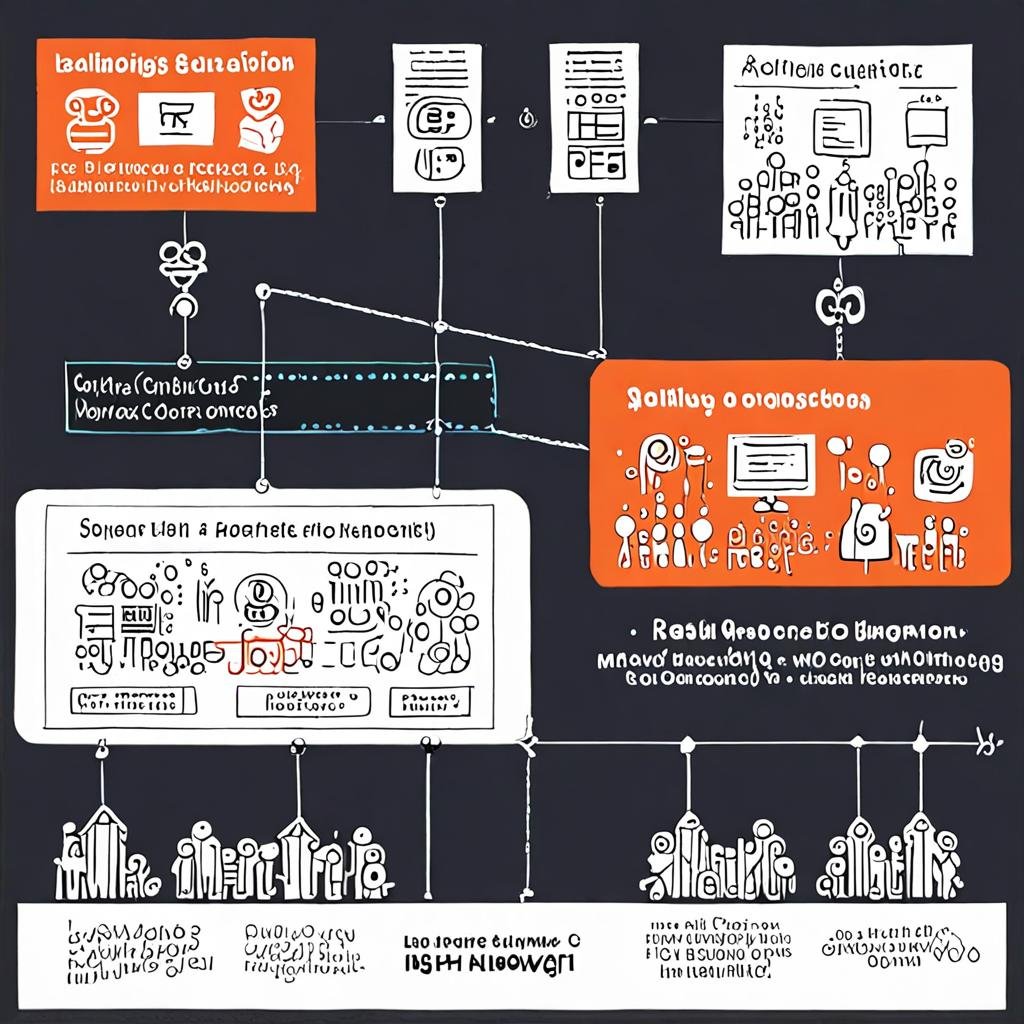
The workflow diagram illustrates a typical sequence designed to maximize customer retention and repeat orders:
- Order Confirmation & Thank You: An immediate, personalized email confirming the order details and expressing gratitude. This is the first step in building a positive post-purchase experience.
- Shipping & Delivery Updates: Proactive notifications via email and SMS keep customers informed about their order’s journey, reducing anxiety and support queries.
- Product Usage Tips/Guides: A few days after delivery, provide valuable content that helps customers make the most of their new purchase, enhancing satisfaction and perceived value.
- Review Request: Around 7-14 days post-delivery, solicit product reviews, which not only provides social proof for future buyers but also makes the customer feel valued.
- Re-engagement & Next Purchase Incentive: After a strategic period (e.g., 30-60 days), send personalized recommendations or exclusive discounts to encourage a second purchase. This is where email marketing strategies become crucial.
- Loyalty Program Integration: Seamlessly enroll customers into a loyalty program, explaining the benefits and encouraging engagement through points, tiers, and exclusive rewards. This fosters long-term commitment.
Integrating SMS for Higher Engagement
While email remains a cornerstone, SMS provides an immediate and high-engagement channel for critical updates like shipping notifications or time-sensitive offers. A blended strategy, where SMS is used for urgent, concise messages and email for richer content, creates a powerful communication loop.
Real-World Case Study
A mid-sized e-commerce brand specializing in sustainable home goods faced a significant challenge: despite strong initial sales, their repeat purchase rate hovered at a disappointing 12%. Customers were buying once but rarely returning, signaling a clear gap in their post-purchase engagement strategy. Their existing approach was manual and generic, lacking personalization and consistent follow-up.
Solution and Implementation
Code Comic partnered with the brand to implement a comprehensive e-commerce automation solutions package focused on customer retention. The solution involved:
- Designing a multi-channel automated post-purchase sequence integrating email and SMS.
- Implementing a robust loyalty program, seamlessly connected to their e-commerce platform.
- Personalizing communications based on purchase history, browsing behavior, and customer segments.
- Automating product recommendations and replenishment reminders.
The implementation involved integrating CRM, marketing automation platforms, and the e-commerce store. This allowed for real-time data synchronization and triggers for each stage of the post-purchase journey.
Results and Replicable Strategies
Within six months of implementation, the results were transformative:
- 28% increase in repeat order rate: Directly attributable to the personalized and timely follow-ups.
- 22% increase in Customer Lifetime Value (LTV): Engaged customers spent more over time.
- 15% growth in email-attributed revenue: Campaigns drove significant direct sales.
- 40% higher open rates for post-purchase emails: Personalization led to greater engagement.
These impressive metrics highlight the power of a well-executed mixed automation strategy. The key replicable strategies include granular customer segmentation, A/B testing of communication content, and continuous monitoring of key performance indicators (KPIs) to refine and optimize workflows.
Tools, Stack, or Framework Breakdown
To achieve the kind of results seen in our case study, a robust tech stack is essential. The tools work in concert to deliver seamless, personalized, and efficient post-purchase automation. Our agency, Code Comic, frequently leverages a combination of industry-leading platforms tailored to our clients’ specific needs, ensuring maximum ROI and scalability.
| Tool | Purpose | Best For | Complexity |
|---|---|---|---|
| Klaviyo | Email & SMS Marketing Automation | E-commerce focused personalization, segmentation | Medium to High |
| Shopify Plus | E-commerce Platform | Scalable online stores, API integrations | Medium |
| Smile.io | Loyalty & Rewards Program | Building customer loyalty programs | Medium |
| Zapier / workflow automation tools | Integration & Workflow Automation | Connecting disparate apps, custom workflows | Low to Medium |
| Gorgias | Customer Service & Helpdesk | Streamlining customer support, personalized interactions | Medium |
This integrated stack allows for powerful data flow, enabling highly targeted campaigns and efficient customer management. The synergy between these platforms is what truly unlocks the potential for significant repeat order increases and LTV growth.
Common Mistakes to Avoid
While the benefits of post-purchase automation are clear, several pitfalls can hinder its effectiveness. Avoiding these common mistakes is crucial for maximizing your return on investment and ensuring your strategies genuinely resonate with your customers.
- Over-automating without Personalization: Sending generic, untargeted messages can feel impersonal and annoy customers, leading to unsubscribes. Always segment your audience and tailor your content.
- Neglecting SMS Best Practices: Overusing SMS or sending non-essential messages can quickly lead to opt-outs. SMS should be concise, urgent, and value-driven.
- Ignoring Customer Feedback: Failing to analyze responses, reviews, or support interactions means missing opportunities to refine your automation flows and improve the customer experience.
- Setting and Forgetting: Automation is not a ‘set it and forget it’ solution. Regular monitoring, A/B testing, and optimization are essential for continuous improvement.
- Lack of Loyalty Program Integration: A disjointed loyalty program that isn’t seamlessly integrated into post-purchase flows misses a critical opportunity to incentivize future purchases.
- Measuring the Wrong Metrics: Focusing solely on open rates instead of conversion rates, repeat purchase rates, or LTV can lead to misinformed decisions.
Quick Wins
Looking to kickstart your post-purchase automation journey and see immediate impact? Here are some actionable tips that can deliver quick wins for your e-commerce brand:
- Implement a Simple ‘Thank You’ + Next Steps Email: Immediately after purchase, send a warm thank you, reinforce the product’s value, and provide clear next steps (e.g., tracking info, how-to guides). Impact: Builds immediate goodwill and reduces post-purchase anxiety.
- Set Up a Basic Abandoned Cart Recovery Flow: Although pre-purchase, optimizing this greatly impacts overall sales. Remind customers about items left in their cart with a gentle nudge. Impact: Recovers lost sales and boosts conversion rates.
- Automate a Single Review Request: Send an email 7-14 days after delivery asking for a product review. Impact: Generates valuable social proof and boosts trust for future buyers.
- Segment Your High-Value Customers for Exclusive Offers: Identify your top spenders and automate a special discount or early access offer specifically for them. Impact: Nurtures loyalty among your most profitable segment.
- Integrate a Basic Welcome Series for New Subscribers: If not already, set up a welcome email series that introduces your brand and offers a small incentive for their first purchase. Impact: Warms up new leads and converts them into buyers faster.
FAQs
What is the primary goal of e-commerce post-purchase automation?
The primary goal is to enhance customer retention, increase repeat purchases, and boost customer lifetime value (LTV) by nurturing customer relationships through personalized and timely communication after a sale.
How can Code Comic help automate my post-purchase strategy?
Code Comic specializes in developing custom customer retention automation strategies, designing multi-channel email and SMS sequences, integrating loyalty programs, and leveraging AI to create hyper-personalized customer journeys for maximum ROI.
What metrics should I track to measure the success of post-purchase automation?
Key metrics include repeat purchase rate, customer lifetime value (LTV), email open and click-through rates, conversion rates from automated campaigns, average order value of repeat customers, and customer churn rate.
Is it better to use email or SMS for post-purchase communication?
A mixed approach is often best. Email is ideal for rich content, guides, and broader updates, while SMS is highly effective for urgent notifications, time-sensitive offers, and concise, high-impact messages.
How does AI-powered customer journeys enhance post-purchase automation?
AI can analyze vast amounts of customer data to predict future behavior, personalize product recommendations, optimize send times, and even dynamically adjust message content, leading to truly AI-powered customer journeys that maximize engagement and conversions.
What is the role of a loyalty program in post-purchase automation?
A loyalty program provides a structured incentive for customers to continue engaging with your brand. Integrating it into post-purchase automation ensures customers are aware of benefits, earn rewards, and are consistently encouraged to make future purchases.
How long should a post-purchase email sequence be?
The length varies depending on your product and customer cycle, but typically it spans several weeks to a few months. It should include order confirmations, shipping updates, product usage tips, review requests, and re-engagement offers.
Can post-purchase automation reduce customer support inquiries?
Yes, by proactively providing shipping updates, product usage instructions, and FAQs, automation can significantly reduce the volume of incoming customer support questions, allowing your team to focus on more complex issues.
What is the difference between customer acquisition and customer retention automation?
Customer acquisition automation focuses on attracting new customers (e.g., lead magnets, welcome series), while customer retention automation, as highlighted in this mixed automation case study, focuses on engaging existing customers to encourage repeat business and loyalty.
Why should I consider Code Comic for my e-commerce automation needs?
As a full-stack digital agency, Code Comic brings expertise in development, creative design, and AI automation. We don’t just implement tools; we craft humanized, ROI-driven strategies that are custom-tailored to your business, ensuring your e-commerce brand not only automates but thrives with measurable success.
Conclusion
The journey from a single purchase to a loyal, repeat customer is not accidental; it’s strategically engineered through effective post-purchase automation. This mixed automation case study powerfully illustrates that by embracing an integrated approach to customer retention – combining personalized email, timely SMS, and intelligent loyalty programs – e-commerce brands can unlock significant growth. The 28% increase in repeat orders achieved by our featured brand is a testament to the fact that investing in the post-purchase experience directly translates into higher customer lifetime value and robust, sustainable revenue.
Don’t let your e-commerce brand leave money on the table. The future of online retail is deeply intertwined with cultivating lasting customer relationships. Implementing these sophisticated yet accessible automation strategies will not only boost your repeat sales but also foster a community of brand advocates. It’s time to transform your transactional interactions into meaningful engagements that drive continuous growth and solidify your market position. If you’re ready to see similar results and elevate your e-commerce retention, let Code Comic guide your automation journey.

Ready to automate your post-purchase strategy and see your repeat orders soar? Book a session with Code Comic today to discuss how our full-stack expertise can drive unparalleled results for your e-commerce brand.