Introduction
In today’s fast-paced digital landscape, maintaining brand consistency and accelerating product development can feel like an uphill battle. Design teams often grapple with inefficiencies, redundant work, and a fragmented user experience across various platforms. The solution? A robust design system. This comprehensive guide will walk you through the essentials of creating and maintaining a powerful design system, ensuring your organization can scale design efforts effectively, enhance collaboration, and deliver exceptional digital products. We’ll cover everything from core components to measuring your return on investment, setting you on a path to streamlined design operations and superior user experiences.
Imagine a world where every design decision is backed by a single source of truth, where every component is reusable, and every team member speaks the same visual language. This isn’t a pipe dream; it’s the reality that a well-implemented design system brings. By centralizing design principles, guidelines, and assets, you empower your teams to build faster, smarter, and with unwavering consistency. Get ready to transform your approach to design and development.

What Is a Design System and Why It Matters in 2024
A design system is a comprehensive set of standards, documentation, and reusable UI components that guides the design and development of digital products. It’s more than just a style guide or a component library; it’s a living, evolving ecosystem that ensures consistency, efficiency, and scalability across all design and development initiatives. In 2024, as digital product ecosystems grow more complex, the need for a unified approach to design has never been more critical.
From a business perspective, a strong design system reduces time-to-market, minimizes design debt, and frees up designers and developers to focus on solving complex user problems rather than reinventing the wheel. Technically, it fosters a shared vocabulary between design and engineering, leading to cleaner codebases and more maintainable products. This collaborative framework is essential for businesses aiming for sustained growth and innovation.
The Impact of Design Systems
- Enhanced Consistency: Ensures a uniform look and feel across all products and platforms, reinforcing brand identity.
- Increased Efficiency: Speeds up design and development cycles by providing pre-built, tested components and clear guidelines.
- Improved Collaboration: Fosters better communication and understanding between design, development, and product teams.
- Scalability: Enables organizations to grow their product portfolio without compromising design quality or team efficiency.
- Higher Quality Products: Leads to more polished, accessible, and user-friendly interfaces.
How It Works: Deep Dive
Building a design system involves a structured approach that encompasses several key stages, from initial audit to ongoing governance. It’s a continuous journey of iteration and refinement, tailored to your organization’s unique needs.
1. Auditing Existing Design Assets
The first step in any UI design project of this magnitude is a thorough audit of your current digital products. Identify all existing UI components, patterns, colors, typography, and iconography. Document inconsistencies, redundancies, and areas where design principles are lacking. This audit forms the baseline for what needs to be standardized and improved within your new design system.
2. Establishing Design Tokens and Component Libraries
Once the audit is complete, the next phase involves defining design tokens and building a robust component library. Design tokens are the atomic elements of your design system—colors, typography, spacing, and more—represented as data. These tokens allow for centralized control over design decisions, ensuring that a change to a token propagates consistently across all components. Concurrently, create a library of reusable UI components, from buttons and forms to navigation elements, all built using your defined design tokens.
3. Documentation and Governance
A design system is only as effective as its documentation and governance model. Comprehensive documentation acts as the single source of truth, outlining how components should be used, when to apply certain patterns, and the underlying design principles. Establish clear governance procedures for system maintenance, updates, and contributions. This ensures the system remains relevant, adopted, and evolves with your product needs. Considering a product engineering partner can greatly assist in this complex setup.
Real-World Case Study
A prominent e-commerce giant was struggling with inconsistent branding and slow product iteration across its numerous international platforms. Their distributed design teams operated in silos, leading to duplicated efforts and a disjointed user experience. The problem was a clear lack of a centralized design system.
Code Comic stepped in to lead the design system implementation, starting with an extensive audit of all digital assets. We then collaborated with their teams to define a comprehensive set of design tokens and built a component library using modern frontend frameworks. Rigorous documentation and a clear governance model were established, including a contribution process for new components and updates. Within 12 months, the company saw a 30% reduction in design and development time for new features, a 25% improvement in brand consistency metrics, and a notable increase in design team satisfaction due to streamlined design workflow. The ROI was clear, demonstrating the power of strategic design initiatives.
Tools, Stack, or Framework Breakdown
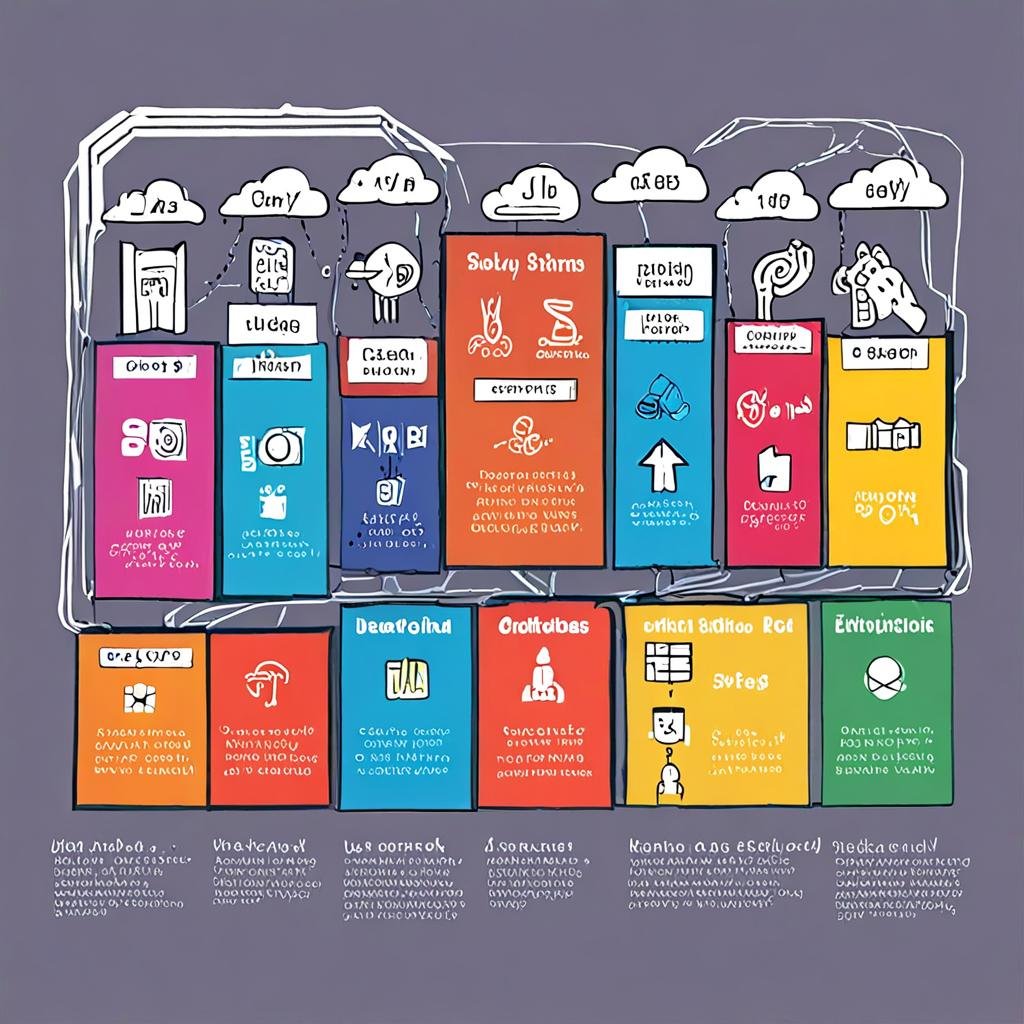
Implementing a successful design system relies heavily on the right blend of tools and technologies. These tools facilitate everything from component creation to documentation and version control, ensuring a seamless workflow.
| Tool | Purpose | Best For | Complexity |
|---|---|---|---|
| Figma | Design & Prototyping | Collaborative UI/UX design, creating component libraries | Medium |
| Storybook | Component Development & Documentation | Isolated component development, showcasing, and testing | Medium |
| Zeplin | Handoff & Collaboration | Designer-developer handoff, style guides | Low |
| Styled Components | CSS-in-JS Styling | Theming, dynamic styling in React applications | Medium |
| Lerna | Monorepo Management | Managing multiple packages (components) within a single repository | High |

Common Mistakes to Avoid
While the benefits of design systems are immense, there are common pitfalls that can derail their success:
- Lack of Buy-In: Without strong support from leadership and across teams, adoption will falter. The system needs to be seen as a shared product.
- Over-Engineering: Starting with an overly complex system can lead to delays and resistance. Begin with core components and iterate.
- Poor Documentation: A system without clear, accessible documentation is effectively useless. Ensure every component and guideline is well-explained.
- Neglecting Governance: Without a clear process for updates, contributions, and decision-making, the system will quickly become outdated or fragmented.
- Ignoring Developer Needs: A design system must be equally valuable to developers as it is to designers. Involve engineering from day one.
- Failing to Measure ROI: If you can’t demonstrate the value, it’s hard to secure continued investment and resources for the system.
Quick Wins
Even small steps can lead to significant progress in your design system journey:
- Standardize Typography: Define a clear typographic scale and apply it consistently across all digital properties to immediately improve readability and brand identity.
- Create a Color Palette: Establish primary, secondary, and accent colors with their corresponding usage guidelines. This quickly enhances visual consistency.
- Build a Button Component: Start with one of the most common UI elements. Developing a robust, reusable button component can demonstrate immediate value and kickstart your component library.
- Conduct a Visual Audit: Even a quick audit of existing designs can highlight major inconsistencies and pain points, providing a clear roadmap for initial standardization efforts.
- Pilot with a Small Team: Introduce the nascent design system to a smaller project or team first. This allows for feedback and refinement before a wider rollout, improving its adoption and effectiveness.
FAQs
What are design tokens evolution and why are they important?
Design tokens evolution refers to the maturing and expansion of design tokens beyond basic color and typography. As systems evolve, tokens might include animation timings, complex spacing scales, or even responsive breakpoints, acting as abstract variables that ensure systematic changes across an entire product ecosystem. Code Comic emphasizes robust token strategies for scalable design.
How does a design system contribute to scaling design operations?
A design system drastically improves scaling design operations by providing reusable components and clear guidelines. This reduces redundant work, speeds up design cycles, and enables design teams to tackle more projects with consistent quality, without constantly reinventing solutions. It allows for a more efficient allocation of creative resources.
Can AI be used in design systems, and how?
Yes, AI in design systems is an emerging trend. AI can assist with automating routine tasks, such as generating design variations, optimizing layouts for different screen sizes, or even suggesting component usage based on context. It can also help identify inconsistencies during audits, making the design system more intelligent and predictive.
What is composable design in the context of a design system?
Composable design emphasizes building interfaces from smaller, independent, and reusable components that can be flexibly combined to create new layouts and experiences. Within a design system, this means having a well-defined library of atomic components that can be assembled like building blocks, promoting flexibility and rapid prototyping. This approach significantly enhances the agility of design and development teams.
What’s the difference between a style guide and a design system?
A style guide typically focuses on visual branding elements like logos, colors, and typography. A design system is far more comprehensive, encompassing not only visual styles but also UI components, code snippets, design principles, usage guidelines, and a clear governance model, making it a living product for both designers and developers.
How do you measure the ROI of a design system?
Measuring the ROI of a design system involves tracking metrics such as reduced design and development time, fewer design inconsistencies, improved team collaboration, and faster time-to-market for new features. Quantitative data on efficiency gains and qualitative feedback on consistency and quality provide a holistic view of its value. We at Code Comic help clients define and track these critical metrics.
What is design consistency and why is it crucial?
Design consistency refers to the uniform application of visual and interactive elements across all touchpoints of a digital product. It’s crucial because it builds user trust, reduces cognitive load, and strengthens brand recognition. A consistent experience is a predictable experience, leading to greater user satisfaction and reduced support queries.
How can a design system help with streamlining design workflow?
A design system helps with streamlining design workflow by providing pre-approved, reusable components and clear guidelines. Designers spend less time on repetitive tasks and more time on problem-solving and innovation. Developers benefit from readily available, well-documented components, accelerating implementation and reducing back-and-forth communication.
What role do design system agencies play?
Design system agency services, like those offered by Code Comic, involve expert guidance in planning, creating, implementing, and maintaining design systems. We bring specialized knowledge in best practices, tooling, and governance, helping organizations establish a system that aligns with their strategic goals and delivers measurable business value.
What are the benefits of custom design system development?
Custom design system development ensures the system is precisely tailored to an organization’s unique brand, product portfolio, and technical stack. This leads to optimal performance, seamless integration with existing workflows, and a design language that perfectly reflects the company’s identity and user needs. It’s an investment in long-term efficiency and brand coherence.
Conclusion
Building a design system is not merely a project; it’s a strategic investment in the future of your organization’s digital products. By embracing component libraries, design tokens, robust documentation, and a clear governance strategy, you unlock unparalleled efficiency, consistency, and scalability. The journey requires commitment, collaboration, and a keen eye on evolving trends like AI in design systems and composable design. The returns are substantial: faster time-to-market, elevated brand perception, and empowered teams.
At Code Comic, we specialize in guiding organizations through the complexities of creating and optimizing their design systems. Our humanized and SEO-optimized approach ensures that your design ecosystem not only meets but exceeds industry standards, delivering tangible ROI. Don’t let fragmented design hinder your growth. Take the definitive step towards design excellence and operational mastery.

Ready to transform your design operations and drive unparalleled consistency across your organization? Book a Call with Code Comic today and let’s discuss how a tailored design system can empower your teams and elevate your digital products.