Introduction
In today’s rapidly evolving digital landscape, ignoring a significant portion of your potential audience is not just poor ethics—it’s bad business. The traditional approach to product development often overlooks the diverse needs of individuals, leading to exclusion and missed opportunities. This is where inclusive design steps in, offering a powerful methodology to ensure that products, services, and environments are usable by as many people as possible, regardless of age, ability, or background. We at Code Comic understand that embracing inclusive design isn’t merely a compliance checkbox; it’s a strategic imperative that drives innovation, expands market reach, and fosters genuine user loyalty. This guide will illuminate the principles, practices, and profound benefits of weaving accessibility into the very fabric of your product development.
The challenge of creating digital experiences that genuinely serve everyone is immense, yet the rewards are even greater. As technology advances, so too must our commitment to human-centered design that caters to a spectrum of abilities. By focusing on accessibility from conception to deployment, businesses can unlock new markets, enhance their brand reputation, and deliver superior user experiences. Join us as we explore the foundational elements of inclusive design and discover how you can build products that truly resonate with users of all abilities.

What Is Inclusive Design and Why It Matters in 2024
Inclusive design is an approach to designing products and services that considers the full range of human diversity. This means accounting for variations in ability, age, gender, race, culture, and other forms of human difference. It moves beyond simply accommodating disabilities to actively involving diverse perspectives throughout the design process. In 2024, as digital transformation accelerates across all sectors, the importance of this methodology has never been more critical. Businesses that fail to prioritize accessibility risk alienating a substantial user base, facing legal repercussions, and missing out on significant market advantages.
The impact of neglecting inclusive practices is far-reaching, affecting both your audience and your bottom line. Technically, non-inclusive designs often result in complex, difficult-to-maintain codebases that are not future-proof. From a business perspective, it means limiting your potential customer base and undermining your brand’s reputation for innovation and social responsibility. Adopting universal design in tech ensures that your products are robust, versatile, and ready for a diverse global audience.
Benefits of Adopting Inclusive Design
- Expanded Market Reach: Taps into larger user segments, including people with disabilities and an aging population.
- Enhanced Brand Reputation: Positions your brand as socially responsible, innovative, and user-centric.
- Improved User Experience for All: Solutions for specific needs often benefit everyone (e.g., subtitles for the hearing impaired also help in noisy environments).
- Reduced Legal Risk: Ensures compliance with accessibility regulations like WCAG, avoiding costly lawsuits.
- Drives Innovation: Challenges designers to think creatively and develop novel solutions.

How It Works: A Deep Dive into Inclusive Product Development
Implementing inclusive design is a systematic process that integrates accessibility considerations into every stage of the product lifecycle. It begins long before any code is written or pixels are pushed, emphasizing research and empathy to understand diverse user needs.
Inclusive Research Methods
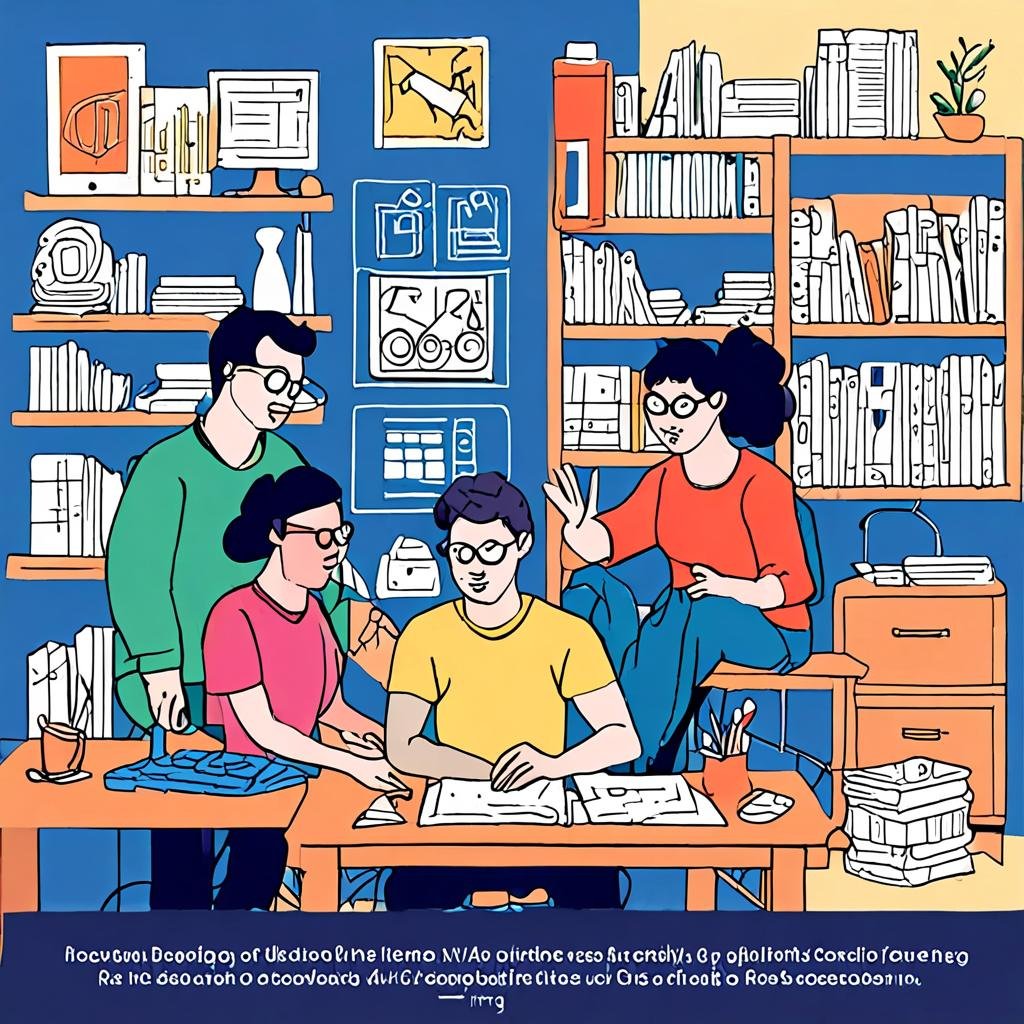
The foundation of effective inclusive UX research lies in understanding the diverse experiences of your target users. This involves engaging with individuals from various backgrounds, including those with disabilities, through methods like:
- Participatory Design: Co-creating solutions with users who have lived experiences of accessibility challenges.
- Contextual Inquiry: Observing users in their natural environments to understand their interactions with existing products.
- Accessibility Focus Groups: Gathering feedback specifically from users with varying abilities on design concepts.
- Persona Development with Diversity: Creating personas that represent a wide spectrum of users, including those with temporary or permanent impairments.
WCAG Guidelines and Compliance
The Web Content Accessibility Guidelines (WCAG) are the international standard for web accessibility. Adhering to these guidelines is crucial for building accessible digital products. They cover four main principles: Perceivable, Operable, Understandable, and Robust (POUR). Understanding and implementing WCAG compliance guide recommendations ensures your product is accessible to a broad audience.
Key Design Considerations
From a UI/UX perspective, inclusive design demands attention to detail:
- Color Contrast: Ensuring sufficient contrast between text and background for readability, especially for users with low vision or color blindness.
- Font Choices: Selecting legible fonts, allowing for adjustable text sizes, and maintaining clear line spacing.
- Navigation: Designing intuitive, consistent navigation that is accessible via keyboard, screen readers, and other assistive technologies.
- Forms and Inputs: Providing clear labels, error messages, and multiple ways to complete forms.
- Alternative Text: Including descriptive alt text for all images and non-text elements.
Real-World Case Study: Enhancing Digital Banking Accessibility
A prominent financial institution faced significant challenges with its online banking platform, which received consistent feedback regarding its lack of accessibility for users with visual and motor impairments. This led to high call center volumes for basic tasks and a significant drop-off rate for older users.
Code Comic was engaged to conduct a comprehensive accessibility audit and spearhead a redesign initiative. Our team utilized inclusive design services to rebuild key functionalities, focusing on WCAG 2.1 AA compliance. We implemented enhanced keyboard navigation, improved screen reader compatibility, and optimized color contrasts across the platform. Real-time user testing with diverse participants, including those relying on assistive technologies, provided invaluable feedback loops.
The results were transformative: within six months post-launch, the bank reported a 25% reduction in accessibility-related support calls, a 15% increase in digital engagement from users over 60, and a 10% growth in new accounts opened by users who previously found the platform inaccessible. The project not only met compliance standards but also significantly improved the overall user experience and commercial metrics.
Tools, Stack, or Framework Breakdown for Accessibility
Achieving accessibility requires the right toolkit, enabling developers and designers to identify issues, test solutions, and maintain compliance throughout the development lifecycle. Leveraging the appropriate resources is vital for any team looking to optimize their digital presence for all users.
| Tool | Purpose | Best For | Complexity |
|---|---|---|---|
| Deque axe-core | Automated accessibility testing engine | Developers for quick scans during development | Low to Medium |
| Lighthouse (Google Chrome) | Auditing web page performance, SEO, PWA, and accessibility | Comprehensive page audits and reporting | Low |
| Color Contrast Analyzer | Verifying color contrast ratios against WCAG guidelines | Designers for early-stage color palette validation | Low |
| NVDA (NonVisual Desktop Access) | Free screen reader for Windows | Manual testing of screen reader compatibility | Medium to High |
| VoiceOver (Apple) | Built-in screen reader for iOS/macOS | Manual testing on Apple devices | Medium |

Common Mistakes to Avoid in Inclusive Design
- Treating Accessibility as an Afterthought: Retrofitting accessibility is often more expensive and less effective than integrating it from the start.
- Relying Solely on Automated Tools: While helpful, automated tools only catch a fraction of accessibility issues. Manual testing with real users and assistive technologies is crucial.
- Ignoring User Feedback: Failing to involve diverse users in the testing process leads to solutions that don’t truly meet their needs.
- Poor Color Contrast: Overlooking WCAG guidelines for color contrast makes content unreadable for many users, particularly those with visual impairments.
- Inaccessible Forms: Forms without clear labels, instructions, or proper error handling create significant barriers for users with assistive technologies.
- Lack of Keyboard Navigation: Not all users can operate a mouse. Ensuring full keyboard navigability is essential for many, including those with motor disabilities.
Quick Wins for Immediate Impact
- Conduct a Quick Accessibility Audit: Use browser extensions (e.g., axe DevTools) to identify immediate, high-impact issues on your existing site or app.
- Review Color Contrast: Check your primary brand colors and text against WCAG standards using a color contrast checker. Adjust where necessary.
- Add Alt Text to All Images: Go through your current content and ensure every meaningful image has descriptive alternative text. This is a foundational step in designing for diverse users.
- Improve Keyboard Navigation: Test critical user flows (e.g., login, checkout) using only the keyboard. Ensure all interactive elements are reachable and operable.
- Train Your Team: Educate your design and development teams on basic accessibility principles and WCAG guidelines. Code Comic offers training and consulting to help your team build accessible experiences.
FAQs
What are the core principles of inclusive design?
The core principles typically include equitable use, flexibility in use, simple and intuitive use, perceptible information, tolerance for error, low physical effort, and size and space for approach and use. These principles guide designers in creating products that are inherently accessible to the broadest possible audience.
How does inclusive design differ from accessibility?
While often used interchangeably, accessibility focuses on making products usable for people with disabilities. Inclusive design is a broader philosophy that encompasses accessibility but also considers the full spectrum of human diversity, including temporary impairments, situational limitations, and cultural differences, aiming to include everyone from the outset.
Why should businesses invest in inclusive design?
Beyond ethical considerations, businesses invest in inclusive design for tangible benefits like expanded market reach, enhanced brand reputation, improved user experience, reduced legal risks, and fostering innovation. It’s a key strategy for long-term growth and market relevance.
What role do WCAG guidelines play in inclusive design?
WCAG guidelines provide the technical framework and measurable criteria for web content accessibility. Adhering to these guidelines is a crucial step in achieving inclusive design, ensuring that digital products meet internationally recognized standards for usability by people with disabilities.
Can AI assist in making products more inclusive?
Absolutely. AI-powered accessibility solutions are emerging as powerful tools. AI can help automate accessibility testing, generate alternative text for images, transcribe audio content, and even adapt interfaces dynamically to user needs. Code Comic leverages AI automation to streamline accessibility integration.
What is the future of inclusive product development?
The future of inclusive product development will likely see deeper integration of AI, more personalized and adaptive user interfaces, and a continued shift towards proactive, rather than reactive, accessibility. It will become a non-negotiable aspect of all product development, not just a niche consideration.
How can Code Comic help with inclusive design implementations?
Code Comic specializes in full-stack digital solutions with a strong focus on ROI and value. Our experts provide comprehensive accessibility audits, inclusive UX/UI design, WCAG compliance consulting, and custom development to ensure your products are built for users of all abilities. Book a session with us to discuss your specific needs.
Are there legal requirements for inclusive design?
Yes, many countries have legal mandates regarding digital accessibility, such as the Americans with Disabilities Act (ADA) in the US, the Equality Act in the UK, and specific directives in the EU and Australia. Non-compliance can lead to significant legal and financial penalties.
What are some quick wins for improving existing product accessibility?
Quick wins include ensuring proper color contrast, adding descriptive alt text to images, enhancing keyboard navigation, and implementing clear form labels. These small changes can make a big difference in immediate usability for many users.
How does inclusive design contribute to a better user experience for everyone?
By addressing the needs of the most diverse users, designers often create more robust and flexible solutions that benefit everyone. For example, captions on videos help not only the hearing impaired but also those watching in noisy environments or without sound.
Conclusion
Inclusive design is no longer a niche consideration; it’s a fundamental pillar of successful product development in the digital age. By proactively building products that serve users of all abilities, businesses not only fulfill an ethical responsibility but also unlock significant commercial advantages, drive innovation, and build stronger, more loyal customer relationships. Embracing accessibility design principles from the outset ensures your products are robust, compliant, and ready to meet the diverse needs of a global audience.
As we navigate an increasingly digital world, the demand for accessible and inclusive experiences will only grow. Organizations that champion this approach will stand out, fostering trust and expanding their influence. Code Comic is committed to helping you integrate these critical practices, ensuring your digital products deliver unparalleled value and reach every user. Don’t just build products; build experiences that welcome everyone.

Ready to transform your digital products with inclusive design? Contact Code Comic today to learn how our expert team can help you build accessible, high-performing solutions that cater to every user.