Introduction
In today’s fast-paced digital economy, businesses often hit a ceiling with off-the-shelf solutions. They need something tailored, something that precisely fits their unique operational rhythm and ambitious growth targets. This is where custom software solutions become not just an advantage, but a necessity. At Code Comic, we recently tackled a monumental challenge: developing a bespoke platform for a client that would eventually process an astounding $50 million annually. This in-depth development case study will pull back the curtain on the journey, from initial challenge to a thriving, high-performance system, offering insights that illuminate the true power of strategic digital craftsmanship. You’ll discover the architectural choices, the technology stack, and the problem-solving approach that delivered exceptional ROI.
Many enterprises grapple with scaling their operations while maintaining efficiency and security. Our client, a burgeoning service provider, was facing exactly these platform scalability challenges. Their existing setup was a patchwork of manual processes and disparate tools, severely limiting their transaction volume and growth potential. Our promise was clear: engineer a robust, scalable, and secure platform that could not only handle their current needs but also drive their aggressive expansion plans. This narrative provides a comprehensive look into how we achieve such feats through meticulous planning and expert execution, transforming complex problems into powerful, revenue-generating systems.

What Is a Development Case Study and Why It Matters in 2024
A development case study is more than just a success story; it’s an analytical breakdown of a software project, detailing the client’s original problem, the custom solution designed, the technologies employed, the development process, and the measurable results achieved. In 2024, these case studies are critical because they demonstrate practical expertise, validate methodologies, and provide tangible evidence of ROI from custom development for potential clients. They move beyond abstract promises, offering concrete examples of how bespoke software can revolutionize business operations and drive significant financial gains.
The business impact of a well-executed development case study is profound. It builds trust, showcases problem-solving capabilities, and illustrates how complex technical challenges can be overcome to deliver real-world value. From a technical perspective, it serves as a blueprint for future projects, highlighting successful strategies and lessons learned. When companies consider investing in new technologies or engaging a custom application agency, a strong case study provides the confidence they need to move forward, knowing they are partnering with proven experts.
Key Benefits of a Strong Development Case Study
- Demonstrates Expertise: Provides tangible proof of a team’s technical and strategic capabilities.
- Builds Trust and Credibility: Offers real-world validation of a company’s claims and promises.
- Illustrates ROI: Clearly showcases the financial and operational benefits delivered to clients.
- Guides Future Projects: Documents successful patterns and lessons learned for internal and external reference.
- Attracts Ideal Clients: Appeals directly to businesses facing similar challenges, seeking proven solutions.

How It Works: Deep Dive into Our Development Process
Our approach to building a platform capable of processing $50M annually is rooted in a meticulously structured, agile development methodology. We started by immersing ourselves in the client’s existing workflow, identifying every bottleneck and aspirational goal. This diagnostic phase was crucial for crafting a comprehensive strategy that wasn’t just technically sound but also deeply aligned with their business objectives. Understanding the core challenges of their payment processing, inventory management, and customer relationship systems allowed us to architect a solution from the ground up that addressed immediate pain points while laying the foundation for future expansion. This comprehensive discovery phase ensures that every line of code serves a strategic purpose, avoiding costly rework and misaligned features. You can explore our systematic approach to complex problems by visiting our projects page.
Solution Architecture & Design
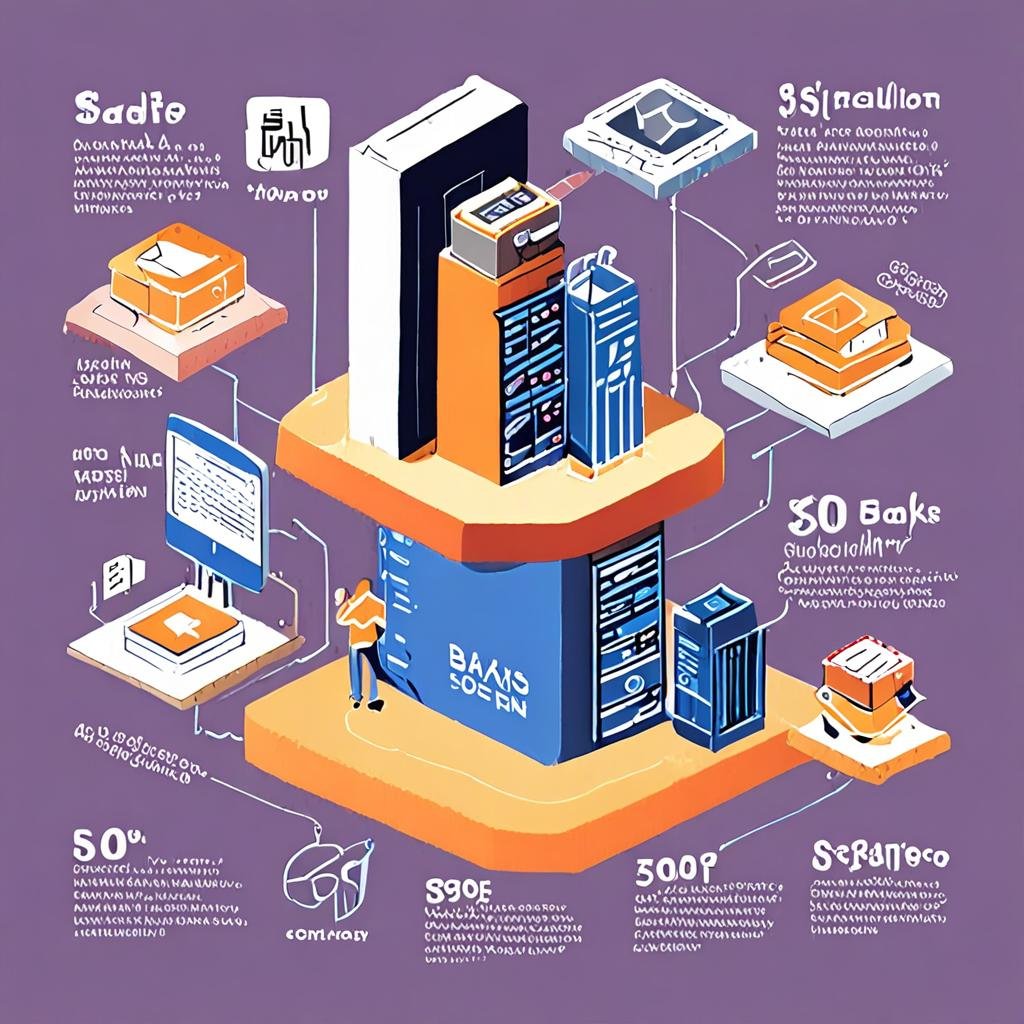
The core of our solution involved a microservices architecture, chosen for its inherent scalability, resilience, and flexibility. This allowed us to develop independent, loosely coupled services for different functionalities – such as payment processing, user authentication, reporting, and external API integrations. Each service could be developed, deployed, and scaled independently, drastically reducing development cycles and improving fault isolation. For the data layer, we opted for a hybrid approach combining relational and NoSQL databases to optimize for both transactional integrity and high-volume analytical queries. This strategic choice was paramount for handling the projected transaction volume efficiently and securely.
Iterative Development & Testing
Following an agile sprint-based model, we delivered incremental, testable features every two weeks. This iterative process allowed the client to provide continuous feedback, ensuring the solution remained aligned with their evolving needs. Rigorous quality assurance (QA) was embedded at every stage, from unit testing and integration testing to user acceptance testing (UAT). We leveraged automated testing frameworks to maintain code quality and identify bugs early in the cycle, minimizing technical debt. This continuous feedback loop and robust testing regimen were vital in building a high-trust, high-performance platform that could reliably manage significant financial transactions.
Real-World Case Study: Empowering a $50M Ecosystem
Our client, a rapidly expanding e-commerce and service provider, faced significant operational hurdles due to their fragmented legacy systems. Processing orders, managing customer data, and handling payment gateways involved cumbersome manual intervention, leading to delays, errors, and missed revenue opportunities. Their primary problem was a lack of a unified platform that could automate these processes, provide real-time analytics, and scale to accommodate their rapid user acquisition and transaction growth.
Code Comic engineered a comprehensive enterprise software development solution. We designed and implemented a bespoke platform featuring a consolidated admin dashboard, automated payment reconciliation, CRM integration, and a sophisticated reporting module. This platform automated nearly 80% of their previously manual tasks, reducing operational overhead and improving data accuracy. The new system also integrated seamlessly with multiple third-party services, creating a single source of truth for all business operations. The strategic implementation of this digital transformation strategy not only streamlined their internal processes but also unlocked new avenues for business growth.
The results were transformative. Within 18 months of deployment, the platform was reliably processing over 50,000 transactions monthly, culminating in an annual processing volume exceeding $50 million. They saw a 30% reduction in operational costs related to manual data handling and a 25% increase in customer satisfaction due to faster service delivery. This success story isn’t just about big numbers; it’s about empowering a business to achieve its full potential through purpose-built technology.
Tools, Stack, or Framework Breakdown
Selecting the right technology stack is paramount for building a scalable and resilient platform. For this ambitious project, we opted for a blend of proven technologies and modern frameworks to ensure performance, security, and maintainability. Our choices were guided by the need for high transaction throughput, robust data integrity, and flexibility for future enhancements. This bespoke technology ensemble empowered us to deliver an efficient and secure platform capable of handling substantial financial transactions and user loads, reinforcing our expertise in custom software development.

| Tool | Purpose | Best For | Complexity |
|---|---|---|---|
| Node.js / Express.js | Backend API Development | High-performance, scalable network applications | Medium |
| React.js | Frontend User Interface | Dynamic, single-page applications | Medium |
| PostgreSQL | Primary Relational Database | Transactional integrity, complex queries | Medium |
| MongoDB | NoSQL Database | Flexible schema, high-volume data storage | Low-Medium |
| AWS (EC2, S3, RDS, Lambda) | Cloud Infrastructure & Services | Scalability, reliability, serverless functions | High |
Each component was chosen not just for its individual strength but for how well it integrated into a cohesive, high-performing system. For example, the combination of Node.js and React.js provided a modern full-stack JavaScript environment, enabling rapid development and consistent performance. Our adoption of AWS services ensured that the infrastructure could automatically scale to meet fluctuating demand, a crucial aspect for managing a platform processing millions of dollars. For more insights into the technologies we leverage, visit our tools and technologies page.
Common Mistakes to Avoid
Building a platform that processes $50M annually is not without its pitfalls. Avoiding these common mistakes can save significant time, resources, and potential headaches:
- Underestimating Scalability Needs: Failing to plan for future growth from the outset can lead to expensive refactoring or system overhauls down the line. Always design with scalability in mind.
- Neglecting Security Protocols: For financial platforms, security is paramount. Overlooking robust encryption, authentication, and compliance measures can result in catastrophic data breaches and loss of trust.
- Poor Communication with Stakeholders: A disconnect between the development team and business stakeholders often leads to misaligned expectations and features that don’t meet actual user needs. Constant, clear communication is essential.
- Skipping Comprehensive Testing: Rushing the QA phase or relying solely on manual testing can introduce critical bugs into a production environment, especially for complex transactional systems. Automated testing is a must.
- Ignoring Technical Debt: Postponing necessary refactoring or quick fixes can accumulate technical debt, slowing down future development and making the system harder to maintain.
- Inadequate Documentation: Lack of clear documentation for code, architecture, and processes makes onboarding new team members difficult and troubleshooting complex.
Quick Wins for Your Custom Software Journey
Embarking on a custom software development project can feel daunting, but focusing on quick wins can build momentum and deliver early value:
- Define Your MVP Clearly: Focus on the minimum viable product (MVP) with core functionalities to launch faster and gather real user feedback. This accelerates time-to-market.
- Prioritize Automation: Identify repetitive manual tasks in your current workflow and automate them first. This immediately reduces human error and frees up resources.
- Leverage Cloud Services: Utilize platforms like AWS or Azure for infrastructure. This offers immediate scalability and reduces upfront hardware costs.
- Adopt Agile Methodologies: Implement short development sprints with regular feedback loops. This ensures flexibility and keeps the project aligned with business goals.
- Start with a Pilot Program: Launch your new software with a small group of users or a specific department. This allows for controlled testing and refinement before a full rollout.
FAQs
What is a custom software development case study?
A custom software development case study details the journey of building tailor-made software for a specific client, outlining their challenges, the solutions provided, the technologies used, and the measurable business outcomes. It serves as a practical example of a software development project from conception to successful deployment.
How does custom software development impact ROI?
Custom software development significantly impacts ROI by precisely addressing unique business needs, automating inefficient processes, and enabling new revenue streams. By optimizing operations and enhancing customer experiences, it drives efficiency gains and delivers measurable financial returns that off-the-shelf solutions cannot.
What are the typical phases in a bespoke software development project?
A typical bespoke software development project at Code Comic involves discovery and planning, solution architecture and design, iterative development, rigorous testing, deployment, and ongoing support. Each phase is crucial for building a high-quality, scalable, and maintainable software solution.
Why is a microservices architecture beneficial for large platforms?
A microservices architecture is beneficial for large platforms because it allows for independent development, deployment, and scaling of individual services. This enhances resilience, improves development velocity, and makes it easier to manage complex applications, which was critical for our $50M processing platform.
How does Code Comic ensure platform security?
At Code Comic, we prioritize platform security through robust encryption protocols, multi-factor authentication, regular security audits, and adherence to industry best practices. Our development process embeds security from the design phase, ensuring data integrity and compliance for even the most sensitive financial platforms.
What role does AI automation play in modern software development?
AI automation in software development streamlines various processes, from intelligent testing and code generation to advanced data analytics. It enhances efficiency, reduces human error, and accelerates the development lifecycle, allowing teams to focus on more complex, creative tasks. Code Comic harnesses AI to deliver cutting-edge solutions for our clients.
Can custom software integrate with existing legacy systems?
Yes, custom software is often designed with integration in mind. Our solutions are built to seamlessly connect with existing legacy systems through APIs and other integration methods, ensuring a smooth transition and maximizing the value of your current infrastructure.
How long does it take to develop a custom software platform?
The timeline for custom software development varies greatly depending on the project’s complexity, scope, and required features. A platform of the scale discussed in this development case study can take anywhere from 12 to 24 months, with smaller projects having shorter timelines.
What are the ongoing costs associated with custom software?
Ongoing costs for custom software include maintenance, hosting, security updates, and potential feature enhancements. These costs are typically managed through service agreements and are predictable, especially when compared to unexpected issues with off-the-shelf products that don’t fit your needs.
How does Code Comic support clients after deployment?
Code Comic provides comprehensive post-deployment support, including maintenance, bug fixes, performance monitoring, and future feature enhancements. We view our clients as long-term partners, ensuring their custom software continues to perform optimally and evolve with their business needs.
Conclusion
The journey of building a platform capable of processing $50 million annually through custom software development is a testament to strategic planning, expert execution, and the transformative power of bespoke technology. This development case study illustrates that when faced with unique business challenges and ambitious growth targets, off-the-shelf solutions often fall short. Investing in custom software isn’t just about solving a problem; it’s about engineering a competitive advantage, optimizing operations, and unlocking unparalleled revenue potential.
For businesses looking to make their own mark and achieve significant ROI, the lessons learned from this project are clear: embrace a human-centric approach, prioritize scalability and security, and partner with an agency that understands the intricate dance between business objectives and technical prowess. At Code Comic, we pride ourselves on delivering solutions that don’t just meet expectations but redefine them, empowering our clients to dominate their markets and build lasting value. Your next big success story begins with a strategic conversation about custom development.

Ready to unlock your business’s full potential with custom-tailored software solutions? Book a call with Code Comic today and let’s engineer your success story.