Choosing the Right Path with a WordPress Development Agency
Did you know that a mere one-second delay in page load time can result in a 7% reduction in conversions? For large-scale organizations, this translates to millions in lost revenue. Enterprises frequently face the dilemma of choosing between the rapid deployment of drag-and-drop tools and the precision of a professional WordPress development agency to manage their digital presence. While builders offer speed, they often introduce hidden technical debt that hampers long-term growth. In this guide, we will explore why selecting bespoke enterprise web solutions is often the superior choice for organizations prioritizing stability, speed, and security. You will learn the critical differences in architecture, performance metrics, and the total cost of ownership involved in each approach.
What Is Custom WordPress Development?
Custom WordPress development refers to the practice of building a website from the ground up by writing unique PHP, JavaScript, and CSS code rather than relying on pre-built templates or visual builders. In the context of enterprise content management, this means creating a theme that contains only the features your business specifically requires. Unlike commercial themes that bundle hundreds of features you might never use, custom code is lean, purpose-built, and highly optimized for your specific server environment.
This methodology exists because high-tier organizations require more than just a “digital brochure.” They need a platform that integrates with internal CRMs, handles high traffic volumes without crashing, and maintains a strict brand identity that cannot be achieved with generic modules. By focusing on bespoke enterprise web solutions, developers ensure that every line of code serves a business goal, eliminating the “bloat” that typically slows down mass-market tools.
Why the Choice Matters for Modern Enterprises
The architecture of your website is the foundation of your entire digital strategy. For an enterprise, the website is often the primary touchpoint for lead generation, customer support, and brand storytelling. Relying on heavy page builders can lead to significant vulnerabilities and performance bottlenecks. Benefits of moving away from generic builders include:
- Enhanced security through a reduced attack surface.
- Superior control over data privacy and compliance standards.
- Faster iteration cycles for unique UI/UX components.
- Lower long-term maintenance costs by avoiding plugin dependencies.
A staggering 40% of users will abandon a website that takes more than three seconds to load. This statistic highlights why the structural integrity of your site is not just a technical concern but a core business priority.
Web Performance and Core Web Vitals
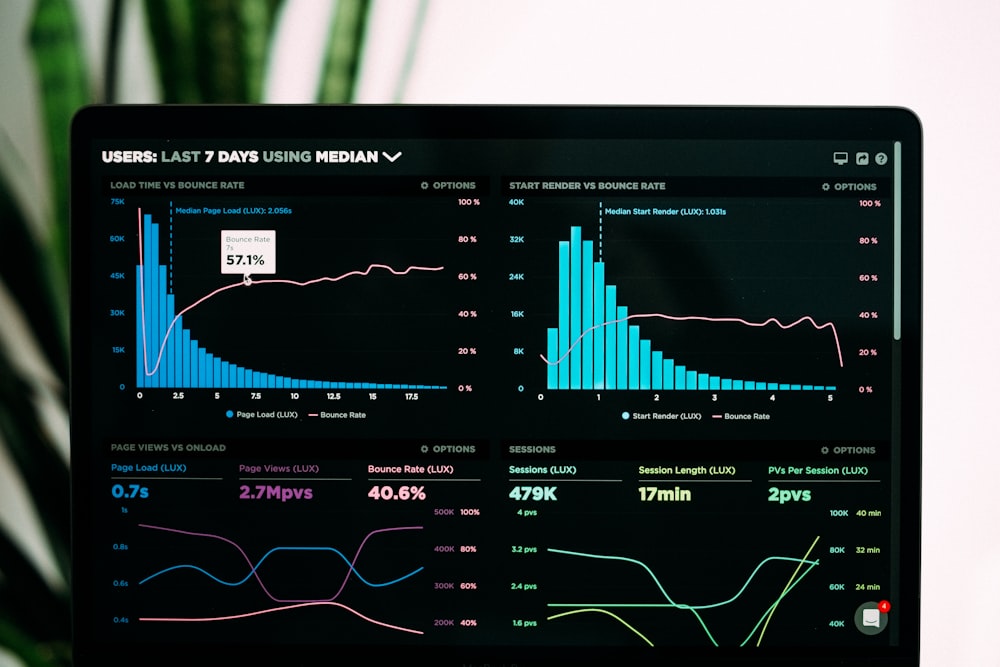
When we discuss web performance, we are looking at how quickly a site renders and how stable it remains during the loading process. Page builders like Elementor or Divi inject massive amounts of CSS and JavaScript into every page, even for simple elements. This results in poor scores on Google’s Core Web Vitals, which directly impacts your search engine rankings.
High-Performance Custom WordPress Themes
By utilizing high-performance custom WordPress themes, developers can achieve sub-second load times. These themes are built using modern development workflows, such as Sass and Webpack, ensuring that only the necessary assets are loaded for each specific page template. This granular control allows for advanced optimization techniques like critical CSS inlining and lazy-loading of non-essential scripts, which are often difficult to implement correctly within a builder environment.
The Impact on User Experience
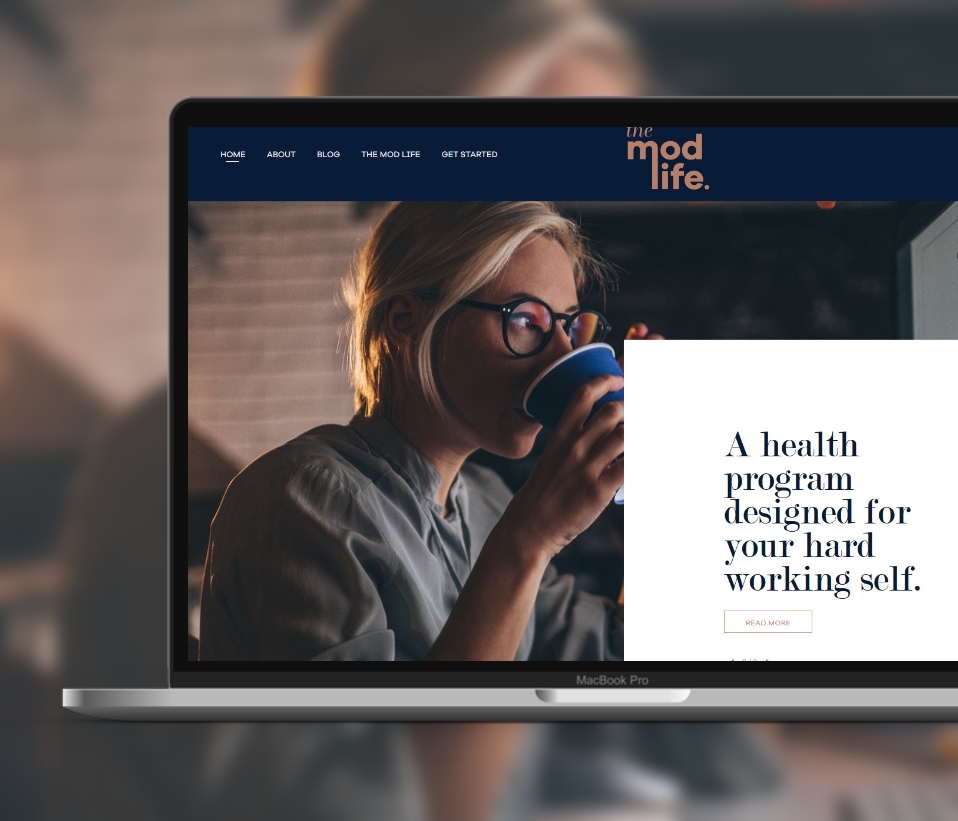
Beyond speed, web performance affects how professional your brand feels. A custom-built site responds instantly to user interactions without the “jank” or layout shifts common in visual builders. For enterprises operating in competitive sectors like E-commerce Shopping, these micro-interactions can significantly influence customer trust and retention rates.
Security and Scalability for Global Brands
Security is the cornerstone of any secure WordPress architecture. Page builders and their associated third-party add-ons are frequent targets for hackers because a single vulnerability in a popular plugin can expose millions of websites. For a global corporation, a security breach is not just a technical failure; it is a public relations disaster.
Secure WordPress Architecture
A secure WordPress architecture involves minimizing third-party dependencies. When a WordPress development agency builds your site, they use native WordPress functions and secure coding standards. This reduces the number of entry points for malicious actors. Furthermore, custom sites are easier to audit and monitor, as the codebase is clean and well-documented.
Scalable Architecture for Corporate Sites
As your business grows, your website must handle more traffic and more complex data. Implementing a scalable architecture for corporate sites ensures that your backend remains performant even as your database grows to hundreds of thousands of entries. Custom development allows for the implementation of advanced caching layers, Content Delivery Networks (CDNs), and load balancing that page builders simply cannot support efficiently.

The Advantage of Custom API Integrations
Enterprises rarely operate in a vacuum. Your website needs to communicate with ERPs, HR portals, and marketing automation tools. Using custom API integrations for WordPress allows for seamless data flow between your site and your existing tech stack. While some builders offer basic “connectors,” they often lack the flexibility required for complex logic or proprietary software communication. Custom code ensures that data is handled securely and efficiently without manual intervention.
Headless WordPress for Large Scale Brands
For organizations seeking the ultimate in flexibility and security, headless WordPress for large scale brands is becoming the gold standard. This approach decouples the WordPress backend (the CMS) from the frontend (what the user sees), which might be built in React or Vue.js. This allows for incredible speed and the ability to deploy content across multiple platforms, from mobile apps to IoT devices, all from a single source of truth.
Cost Analysis: Short-term vs. Long-term
It is a common misconception that page builders are cheaper. While the initial setup cost is lower, the long-term “hidden costs” of builders include frequent plugin updates, troubleshooting conflicts, and the eventual need for a total rebuild when the builder becomes obsolete. Conversely, high-performance custom WordPress themes represent a higher initial investment but offer significantly lower maintenance costs and a longer lifecycle, providing a much better return on investment over a 5-year period.
Decision Matrix: Custom vs. Builder
| Feature | Page Builder | Custom Development |
|---|---|---|
| Load Speed | Average to Poor | Excellent |
| Security | Vulnerable to Plugin Issues | High / Managed Codebase |
| Scalability | Limited by Plugin Bloat | Unlimited Growth Potential |
| SEO Control | Basic | Full Technical SEO Control |
Implementing a scalable architecture for corporate sites requires looking past the ease of a drag-and-drop interface and focusing on the metrics that drive enterprise success.
Real World Example: Enterprise Digital Transformation
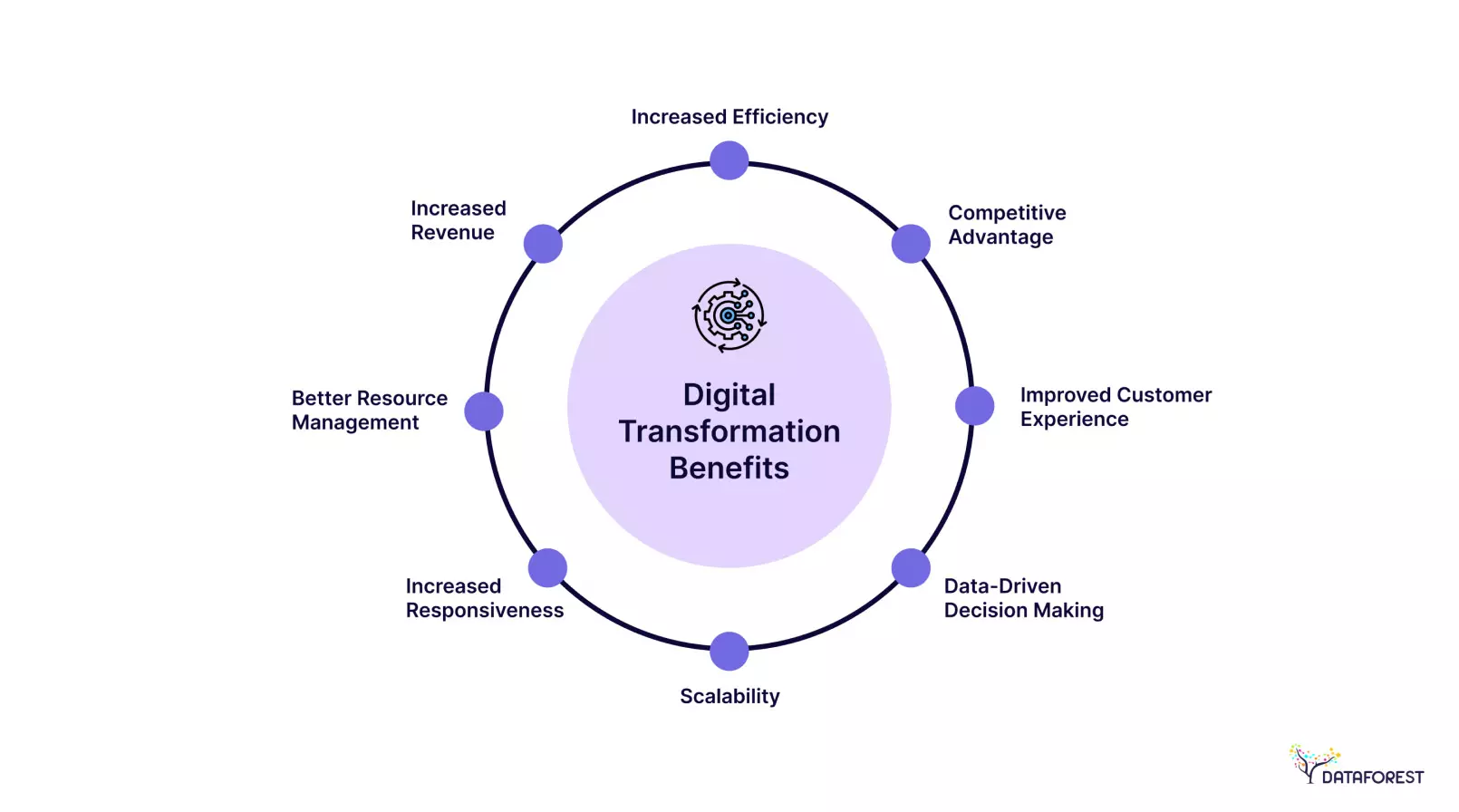
A major logistics company previously relied on a popular page builder for their regional sites. As they expanded globally, the site became unmanageable, with load times exceeding six seconds and frequent security patches required. They initiated a digital transformation by partnering with an expert team to rebuild their platform using a custom-coded framework. By focusing on enterprise content management, they reduced their server costs by 30% and saw a 50% increase in mobile inquiries within the first quarter after launch. This transition allowed them to integrate real-time tracking directly into their site via custom API integrations for WordPress.
Quick Tips for Enterprise Site Management
- Prioritize clean code over visual gimmicks to maintain speed.
- Always perform a security audit before adding any third-party plugin.
- Utilize staging environments for testing all updates before going live.
- Monitor your Core Web Vitals monthly to ensure ranking stability.
- Invest in high-quality managed hosting tailored for WordPress.
Mistakes to Avoid
- Don’t use multiple page builders on a single site; it creates massive code conflicts.
- Avoid “locked-in” ecosystems where you cannot export your content easily.
- Don’t ignore the importance of SEO during the development phase.
- Stop relying on “all-in-one” plugins that slow down your database.

How often should I update my custom WordPress site?
Maintenance should be an ongoing process. While custom sites are more stable than those built with page builders, you should still check for core WordPress updates monthly and perform a deep security audit quarterly. This ensures that your headless WordPress for large scale brands or standard custom installation remains protected against new threats and stays compatible with server-side technologies like PHP 8.x.
Are custom themes better for SEO than page builders?
Yes, custom themes offer a significant advantage for SEO. Because the code is cleaner, search engine crawlers can index your content more easily. Additionally, you have full control over schema markup, header tags, and page speed, all of which are critical ranking factors that can be hindered by the “div soup” generated by many visual builders.
Can I switch from a page builder to custom code later?
You can, but it usually requires a full redesign. Content stored within page builders is often wrapped in proprietary shortcodes. When you deactivate the builder, the content becomes a mess of unreadable text. This is why many companies undergoing a digital transformation choose to do a clean start to ensure their new site is future-proof.
What is the typical timeline for a custom enterprise build?
A high-quality enterprise project usually takes between 12 to 24 weeks. This includes discovery, Custom Software Development, rigorous testing, and deployment. While page builders are faster to launch initially, the custom approach ensures you don’t have to rebuild the site again in two years.
Is custom development compatible with WooCommerce?
Absolutely. In fact, custom development is recommended for WordPress sites running WooCommerce. Customizing the checkout flow and product pages without the overhead of a builder leads to a faster shopping experience and higher conversion rates for large catalogs.
Who owns the code in a custom development project?
When you work with a reputable agency, you should own 100% of the custom code. This prevents “vendor lock-in,” allowing you to move your site to any host or hire different developers in the future without losing your intellectual property.
How does custom development handle multi-language support?
Custom development allows for the implementation of robust multi-language solutions like WPML or Polylang in a way that doesn’t impact performance. It also allows for geo-targeting, where the site automatically displays the correct language based on the user’s location.
Does custom code require a specialized hosting environment?
While custom sites can run on standard hosting, they perform best on environments optimized for modern PHP applications. High-tier agencies often recommend Industries standard cloud providers like AWS or Google Cloud for maximum uptime and scalability.
Is it harder for my staff to edit a custom site?
No, it is often easier. Instead of a complex drag-and-drop interface with thousands of options, developers can create “Custom Gutenberg Blocks” or specific fields using ACF. This gives your team the power to change text and images without the risk of breaking the site’s layout.
What are the security benefits of custom API usage?
By building custom API integrations for WordPress, you can use server-to-server communication with secret keys that are never exposed to the browser. This is much safer than using client-side scripts or third-party plugins that might leak sensitive data.
The Future of Your Enterprise Web Strategy
Choosing between custom development and page builders is a decision that will impact your organization for years to come. While builders are enticing for small projects, they lack the robustness required for the modern enterprise. By investing in a professional WordPress development agency, you are choosing a path of performance, security, and limitless scalability. If you are ready to take your digital presence to the next level and ensure your site is a high-performing asset, it is time to consult with experts who understand the complexities of global web standards. Book a Session with our team today to discuss how we can build a tailor-made solution for your business.