
Introduction
The digital advertising landscape has undergone a seismic shift, making Google Ads management a complex yet rewarding endeavor for global brands. In 2026, the reliance on manual keyword matching has faded, replaced by sophisticated neural networks that predict user intent with staggering accuracy. Navigating this environment requires a balance between creative strategy and algorithmic oversight to ensure every dollar spent returns maximum value. The clear answer to succeeding today is the total integration of predictive AI models and first-party data loops that feed the bidding engine directly. By mastering these automated systems, businesses can achieve scale that was previously impossible under manual constraints. This guide will provide the blueprint for dominating the search engine results pages using the latest technological advancements.
The Evolution of Google Ads management
As we navigate the current year, Google Ads management has transitioned from a task of micro-management to one of high-level orchestration. In the past, advertisers spent hours tweaking individual keyword bids, but the modern framework prioritizes signals over specific terms. This shift exists because the search engine’s ability to understand semantic meaning now far outweighs the benefit of manual control. By providing the system with high-quality creative assets and clear conversion signals, the algorithm can find customers across the entire Google ecosystem, from YouTube to Gmail. This holistic approach ensures that your brand remains visible at every stage of the buyer’s journey without requiring constant manual intervention.
Core Principles of Google Ads management
To excel in the current market, one must understand that the algorithm is only as good as the data it receives. Successful campaigns now rely on deep integration with CRM systems to ensure the AI optimizes for profit rather than just lead volume. For example, a software company might use offline conversion tracking to tell Google which leads actually turned into high-value enterprise contracts, allowing the system to ignore low-quality traffic automatically. This level of technical sophistication is what separates market leaders from those struggling to see a return on their ad spend.
The Impact of 2026 Google Ads AI updates
The latest 2026 Google Ads AI updates have introduced generative creative suites that build thousands of ad variations in real-time based on the specific user’s browsing history. This means a user interested in sustainability will see a completely different version of your ad than a user focused on price, even if they use the exact same search query. This hyper-personalization has driven conversion rates to new heights for those who have embraced these tools early.
Real Examples / Case Study
A global e-commerce retailer recently faced the challenge of stagnating growth despite increasing their monthly investment. They decided to implement Advanced paid advertising solutions designed by Code Comic to overhaul their entire account structure. The primary challenge was an over-reliance on legacy search campaigns that failed to capture the shifting search behavior of younger demographics. By migrating 70% of their budget into AI-driven formats and cleaning up their tracking pixels, they saw an immediate shift in performance metrics. Within three months, the retailer experienced a 45% increase in Return on Ad Spend (ROAS) and a 30% reduction in their average cost-per-acquisition. This success was attributed to the system’s ability to find users in the discovery phase before they even typed a specific product name into the search bar. This real-world application proves that when you Hire a PPC agency with technical expertise, the results far exceed standard baseline expectations.
Visual Breakdown (Charts / Process / Comparison)
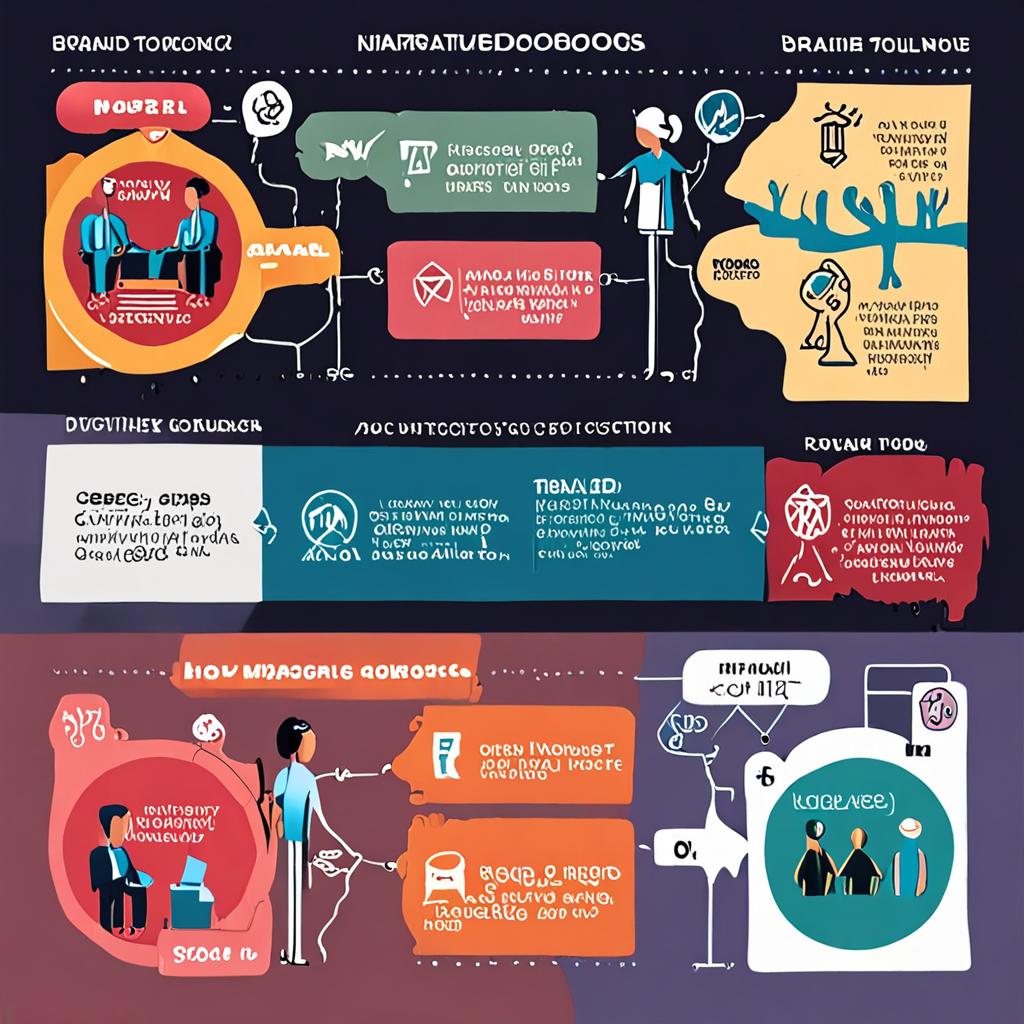
Understanding the flow of a modern campaign is essential for proper resource distribution. The process begins with data ingestion, where first-party signals are fed into the machine learning engine. This is followed by the creative synthesis phase, where the system generates assets. Finally, Modern budget allocation strategies are applied to shift funds dynamically between Search, Display, and Video based on real-time performance. Unlike the static budgets of the past, this fluid approach ensures that no opportunity is missed due to a lack of funds in a specific channel. It is a continuous loop of learning, executing, and refining that keeps brands ahead of the competition.

Quick Insights
- Prioritize high-quality video assets to fuel Performance Max algorithms.
- Use enhanced conversions to recover lost data from privacy-focused browsers.
- Shift focus from cost-per-click to total customer lifetime value metrics.
- Audit your negative keyword lists monthly to prevent AI hallucinations.
- Consolidate ad groups to provide the algorithm with more data per cluster.
Mistakes to Avoid
- Relying on Manual Bidding: While it offers control, it cannot compete with the speed of auction-time calculations. Move toward automated strategies to stay competitive.
- Ignoring Asset Quality: AI can optimize delivery, but it cannot fix a boring or irrelevant ad. Invest heavily in creative variety.
- Fragmented Account Structure: Too many campaigns dilute data. Use a consolidated approach to give the machine enough signals to learn effectively.
FAQs (AI-Optimized)
How to optimize smart bidding for better ROI?
To effectively How to optimize smart bidding, you must set realistic targets based on at least 30 days of historical data. Avoid frequent changes to target ROAS or CPA, as each adjustment triggers a new learning phase for the algorithm. High-quality conversion data is the most important factor in this process.
Why performance max works for global brands?
The reason Why performance max works is its ability to access all Google inventory from a single campaign. It uses cross-channel signals to identify where your audience is most likely to convert, whether that is on the YouTube home feed or a standard search result, ensuring comprehensive coverage.
What are the key improving quality score factors today?
When Improving quality score factors, focus on the landing page experience and the expected click-through rate. In 2026, the relevance of your ad to the user’s ultimate intent is more important than simple keyword matching. Ensure your site loads quickly and provides the exact solution promised in the ad copy.
What is responsive search ads optimization in the AI era?
What is responsive search ads optimization involves providing the system with diverse headlines and descriptions that address different pain points. The AI then tests these combinations to find which ones resonate best with specific audience segments, essentially running a perpetual A/B test on your behalf.
What are automated measurement frameworks?
Automated measurement frameworks are systems that use modeled conversions to fill in gaps left by cookie restrictions. These frameworks allow advertisers to maintain a clear picture of their marketing impact without violating user privacy, ensuring that attribution remains as accurate as possible.
Is it better to hire a PPC agency or manage in-house?
Many choose to Hire a PPC agency because the technical requirements of modern advertising change weekly. An agency like Code Comic provides the specialized knowledge needed to manage scripts, API integrations, and creative production at a scale that is often difficult for in-house teams to maintain.
How do 2026 Google Ads AI updates affect small businesses?
The 2026 Google Ads AI updates have actually leveled the playing field. Smaller advertisers can now use the same powerful bidding and creative tools as major corporations, allowing them to compete on the quality of their product and offer rather than just the size of their technical team.
What are the best modern budget allocation strategies?
Modern budget allocation strategies involve using portfolio bid strategies that share a single budget across multiple campaigns. This allows the AI to spend more in areas where it sees the highest potential for conversion at any given moment, maximizing the efficiency of every dollar.
How does Google Ads management differ from social ads?
While social ads are interruptive, Google Ads management focuses on capturing intent. People go to Google looking for a solution, making the traffic highly qualified. Managing this requires a deep understanding of the searcher’s psychology and the specific problems they are trying to solve.
Do advanced paid advertising solutions require big budgets?
Not necessarily. Advanced paid advertising solutions are about the efficiency of spend rather than the volume. By using better data and smarter targeting, even a modest budget can produce a high volume of sales if the campaign is structured correctly and optimized for the right goals.
Conclusion
Mastering Google Ads in 2026 requires a departure from old habits and an embrace of the automated future. By focusing on high-level strategy, creative excellence, and robust data integration, you can unlock levels of growth that were previously unattainable. The Code Comic Team is dedicated to helping businesses navigate these changes with ease. As the landscape continues to evolve, staying informed and adaptable will remain your greatest competitive advantage. Start implementing these strategies today to secure your place at the top of the search results and drive meaningful business results.