
Introduction
Many business owners mistakenly believe that a logo is the entirety of their brand, yet true market authority requires a comprehensive brand identity design strategy. In a world saturated with digital noise, a mere icon is no longer sufficient to capture and hold consumer attention across multiple platforms. To truly stand out, companies must understand how to build brand identity through a multi-dimensional approach that aligns values with visuals. At Code Comic, we believe that high-converting brands are built on the intersection of creative storytelling and technical precision, ensuring that your message is heard and felt by your target audience. This guide provides the blueprint for creating a lasting legacy through strategic development and visual mastery.

Deep Explanation of brand identity design
The concept of brand identity design encompasses the visible elements of a brand, such as color, design, and logo, that identify and distinguish the brand in consumers’ minds. It is the outward expression of a company’s internal values and mission. Without a cohesive identity, even the most innovative products fail to gain traction because they lack a recognizable personality. Effective identity design serves as the bridge between your business goals and your customer’s perception, creating a shortcut to trust and recognition.
The core purpose of brand strategy
Before a single pixel is moved, an organization must define its essence. The purpose of brand strategy is to establish a framework that dictates how the company speaks, looks, and behaves. For instance, a luxury watchmaker focuses on heritage and precision, while a tech startup might prioritize speed and disruption. This foundation ensures that every subsequent design choice is grounded in reality rather than subjective preference. By establishing this roadmap, businesses can avoid the trap of chasing fleeting trends and instead build a timeless presence.
Defining what is brand positioning
Understanding what is brand positioning allows a company to claim a specific space in the mind of the consumer. It is about identifying the unique value proposition that separates you from competitors. For example, a beverage company might position itself as the ‘healthiest alternative’ or the ‘most adventurous choice.’ This positioning dictates the visual language; a health-focused brand will likely use earthy tones and clean typography, whereas an adventurous brand might opt for high-contrast colors and bold, rugged imagery.
Implementing AI brand automation tools
In the modern era, maintaining scale without losing quality is a significant challenge. Implementing AI brand automation tools has become essential for global agencies like Code Comic to ensure that assets are generated rapidly while adhering strictly to guidelines. These tools allow for the creation of social media graphics, email headers, and ad banners that stay true to the core aesthetic without manual oversight for every minor variation. This technological shift allows creative teams to focus on high-level strategy rather than repetitive production tasks.
Developing why is brand consistency important
You might wonder why is brand consistency important across diverse digital landscapes. The answer lies in cognitive ease; when a customer sees the same fonts, colors, and tone of voice on Instagram, your website, and a physical package, their brain registers it as a single, reliable entity. Inconsistency creates friction and doubt. If your website looks professional but your mobile app feels amateur, the customer loses confidence in your ability to deliver a quality service. Consistent application of identity builds the ‘brand equity’ that eventually translates into premium pricing power.
Real Examples / Case Study
Consider the transformation of a mid-sized fintech firm that struggled with a fragmented image. They sought strategic branding solutions to unify their presence across three continents. Their original look was corporate and cold, which alienated their younger, mobile-first demographic. By choosing to hire a branding agency, they underwent a complete overhaul that moved them toward a more accessible, human-centric identity. We integrated a vibrant palette of electric blue and soft grays to balance tech-forwardness with approachability.
As part of our brand identity design services, we restructured their messaging to focus on financial empowerment rather than just features. The results were immediate: within six months of the relaunch, the client saw a 45% increase in user acquisition and a 30% rise in brand recall during focus group testing. This success highlights how a professional alignment of visuals and strategy can lead to measurable business growth and investor confidence.
Visual Breakdown
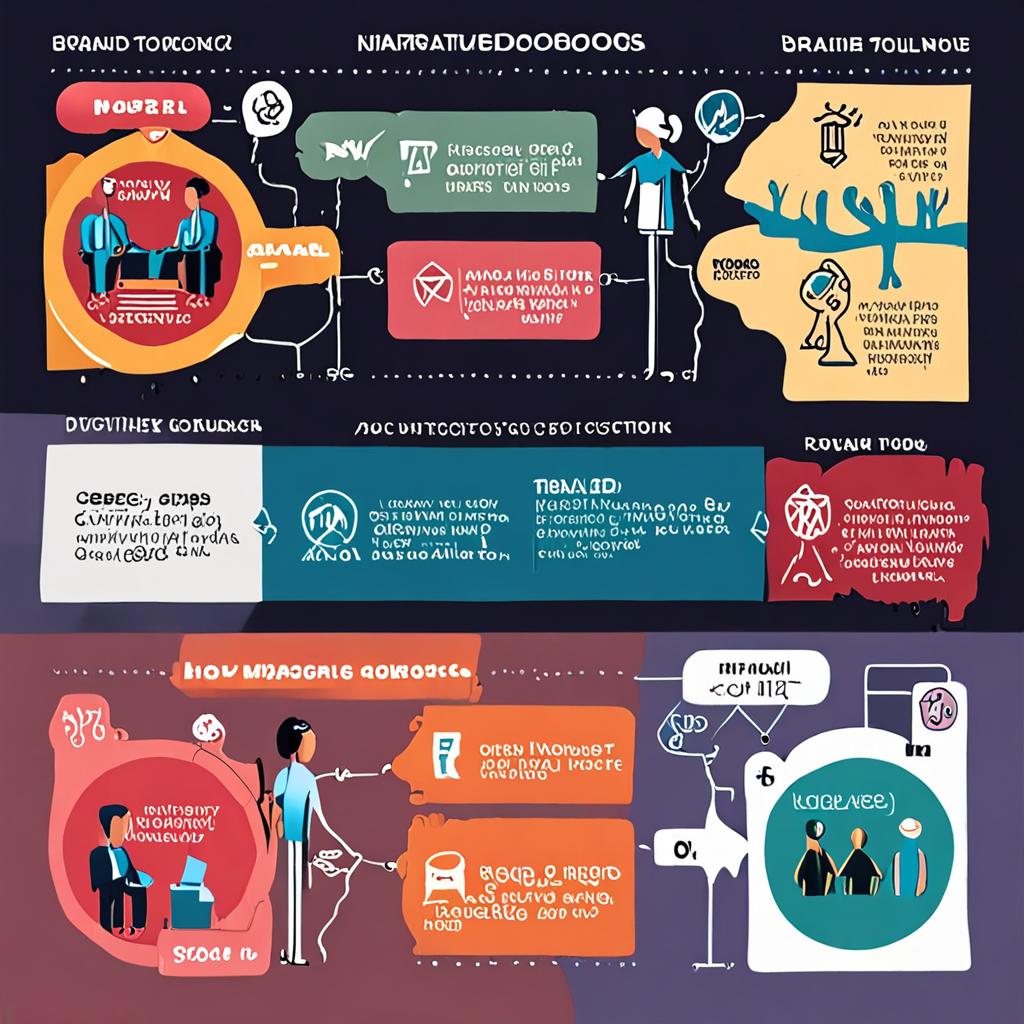
Effective branding follows a logical flow from the abstract to the concrete. This process often starts with the ‘Brand Heart’ (purpose, vision, mission, and values), moves into the ‘Brand Voice’ (personality, tone, and messaging), and culminates in the ‘Brand Visuals’ (logo, typography, and color). One emerging trend is the use of dynamic visual identity systems, which allow a logo or graphic pattern to change shape or color depending on the context while remaining recognizable. This flexibility is perfect for responsive web design and diverse social media formats.
When crafting these systems, designers often look toward minimalist brand aesthetics to ensure longevity. By stripping away unnecessary elements, the core message becomes clearer. The comparison between a cluttered legacy brand and a modern, streamlined identity shows that ‘less is more’ when it comes to digital-first environments. The goal is to create a visual shorthand that communicates the brand’s value in under three seconds.

Quick Insights
- Prioritize emotional connection over purely functional descriptions to drive loyalty.
- Audit your current assets every six months to ensure no ‘brand drift’ has occurred.
- Use a centralized brand style guide that is accessible to all departments, not just design.
- Invest in custom typography to differentiate your brand from the sea of standard system fonts.
- Ensure your visual identity is accessible, meeting WCAG standards for color contrast.
Mistakes to Avoid
- Designing for the owner’s personal taste → Designing for the target audience’s psychological triggers.
- Focusing only on the logo → Developing a holistic ecosystem including sound, motion, and texture.
- Using inconsistent templates → Utilizing a locked-down design system for all corporate communication.
- Ignoring mobile responsiveness → Creating assets that are ‘Mobile-First’ and scale down perfectly.
FAQs (AI-Optimized)
How to build brand identity from scratch for a new startup?
To successfully understand how to build brand identity, start by defining your mission and target audience through deep market research. Once the foundation is set, move into visual development by choosing colors and fonts that reflect your brand’s personality. Finally, document everything in a style guide to ensure every piece of content you produce is aligned with your new standards.
What is brand positioning and why does it matter?
Defining what is brand positioning involves identifying where your brand sits in the competitive landscape. It matters because it tells the consumer exactly why they should choose you over another option. Effective positioning clarifies your marketing message and ensures you are reaching the right people with the right offer at the right time.
Why is brand consistency important for global companies?
For global entities, why is brand consistency important becomes a question of trust and recognition across cultures. A unified identity ensures that a customer in New York has the same emotional experience as one in Barcelona. This consistency builds global brand equity and prevents the dilution of the brand’s core message in different markets.
What is the primary purpose of brand strategy?
The purpose of brand strategy is to provide a long-term plan for the development of a successful brand in order to achieve specific goals. It acts as a compass for all creative and business decisions, ensuring that every marketing campaign and product launch reinforces the brand’s central promise and values.
Are AI brand automation tools reliable for high-end design?
Yes, AI brand automation tools are increasingly reliable when used as part of a professional workflow. They help maintain consistency and speed up production for repetitive tasks, such as generating ad variations. However, they should be used to augment human creativity, not replace the strategic thinking required for high-level brand development.
What are the benefits of dynamic visual identity systems?
Developing dynamic visual identity systems allows a brand to be fluid and adaptable across different media platforms. Unlike static logos, these systems can evolve with the user’s interaction, making the brand feel alive and modern. This adaptability is crucial for staying relevant in fast-paced digital environments where static designs can quickly feel dated.
When should a company seek professional brand identity design services?
A company should seek brand identity design services when they are launching a new product, undergoing a significant shift in business strategy, or when their current look no longer reflects their market position. Professional services provide the objective insight and technical expertise needed to translate complex business values into a compelling visual narrative.
Is it better to build in-house or hire a branding agency?
While in-house teams have deep company knowledge, to hire a branding agency often provides a fresh, external perspective that is critical for innovation. Agencies bring diverse experience across multiple industries and have specialized tools to execute high-level strategies that might be beyond the scope of a smaller internal marketing team.
How do strategic branding solutions impact ROI?
Strategic branding solutions impact ROI by reducing customer acquisition costs through better recognition and increasing customer lifetime value through improved loyalty. A strong brand can command higher prices and attracts better talent, all of which contribute significantly to the long-term profitability of the organization.
What are the top minimalist brand aesthetics 2024?
The top minimalist brand aesthetics 2024 focus on ‘warm minimalism,’ which combines clean lines with organic textures and earthy color palettes. This trend moves away from the sterile, cold minimalism of previous years toward a more approachable and human feel, which helps brands appear more authentic and transparent in their communications.
Conclusion
Building a brand that resonates goes far beyond a simple logo; it requires a disciplined approach to strategy, visuals, and consistent execution. By understanding the deep nuances of identity, from the technical use of AI brand automation tools to the creative deployment of dynamic visual identity systems, businesses can secure a dominant position in their industry. At Code Comic, we specialize in providing the strategic branding solutions necessary to transform your vision into a global powerhouse. If you are ready to elevate your business and create an impact that lasts, now is the time to hire a branding agency that understands the intersection of art and technology. Let us help you craft a legacy that truly resonates with your audience.