Introduction
In the rapidly shifting landscape of modern digital sales, choosing the right foundation for ecommerce development determines whether your brand scales or stagnates. Many merchants find themselves trapped by legacy systems that link the visual storefront directly to the backend database, creating a bottleneck for innovation and speed. If you are struggling with slow page loads or restricted design freedom, understanding why choose headless commerce might be the pivot your business needs to stay competitive. This architectural shift decouples the customer-facing layer from the administrative functions, allowing for unparalleled agility and performance. By the end of this guide, you will understand exactly how this modern approach can transform your operations and whether your growth stage warrants the transition.
Deep Explanation of Ecommerce Development
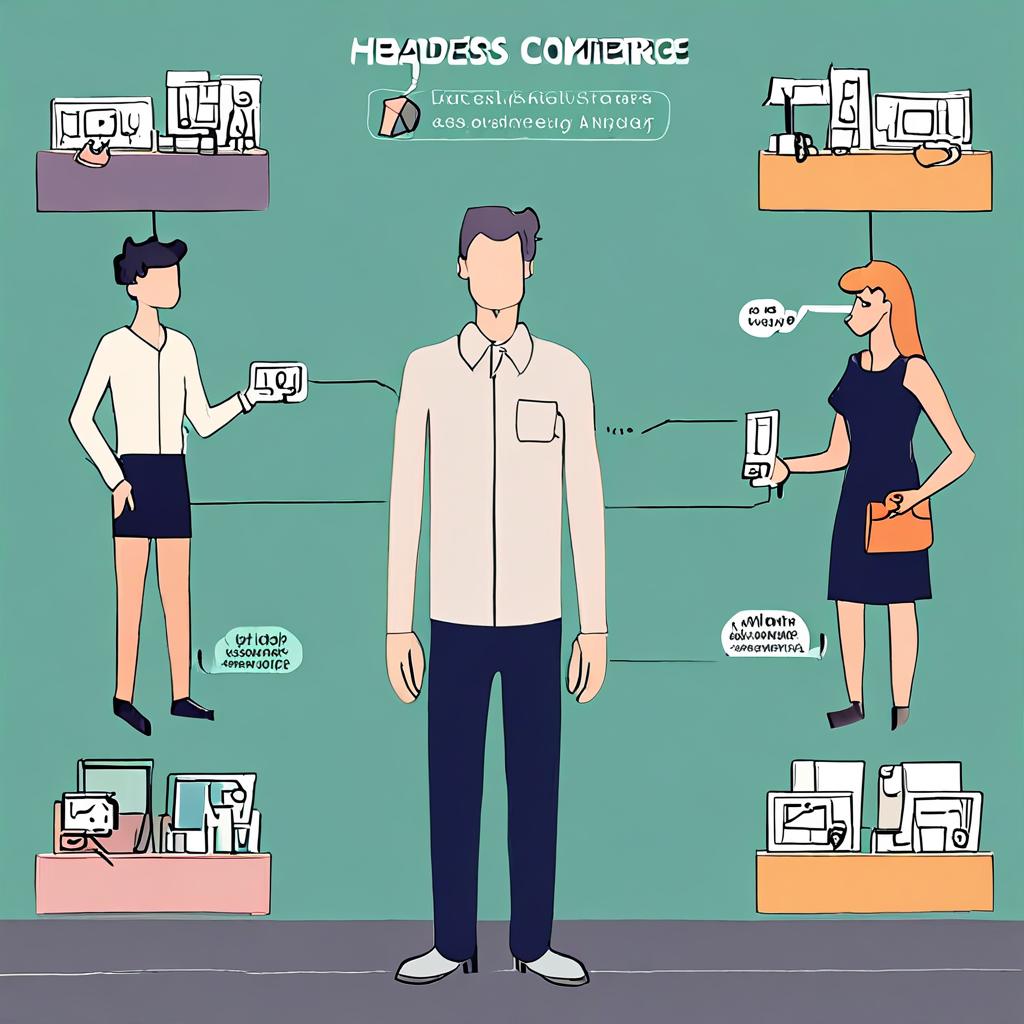
The concept of headless architecture is essentially the separation of the ‘head’ (the frontend user interface) from the ‘body’ (the backend logic, checkout, and database). In traditional setups, these two are tightly coupled, meaning any change to the frontend requires a corresponding update to the backend code. This rigidity often slows down deployment cycles and limits the ability to provide a consistent experience across multiple devices. Modern ecommerce development has evolved to solve this by using APIs to bridge the gap between these two layers, providing developers with a blank canvas for the user experience.
Architecture of Ecommerce Development
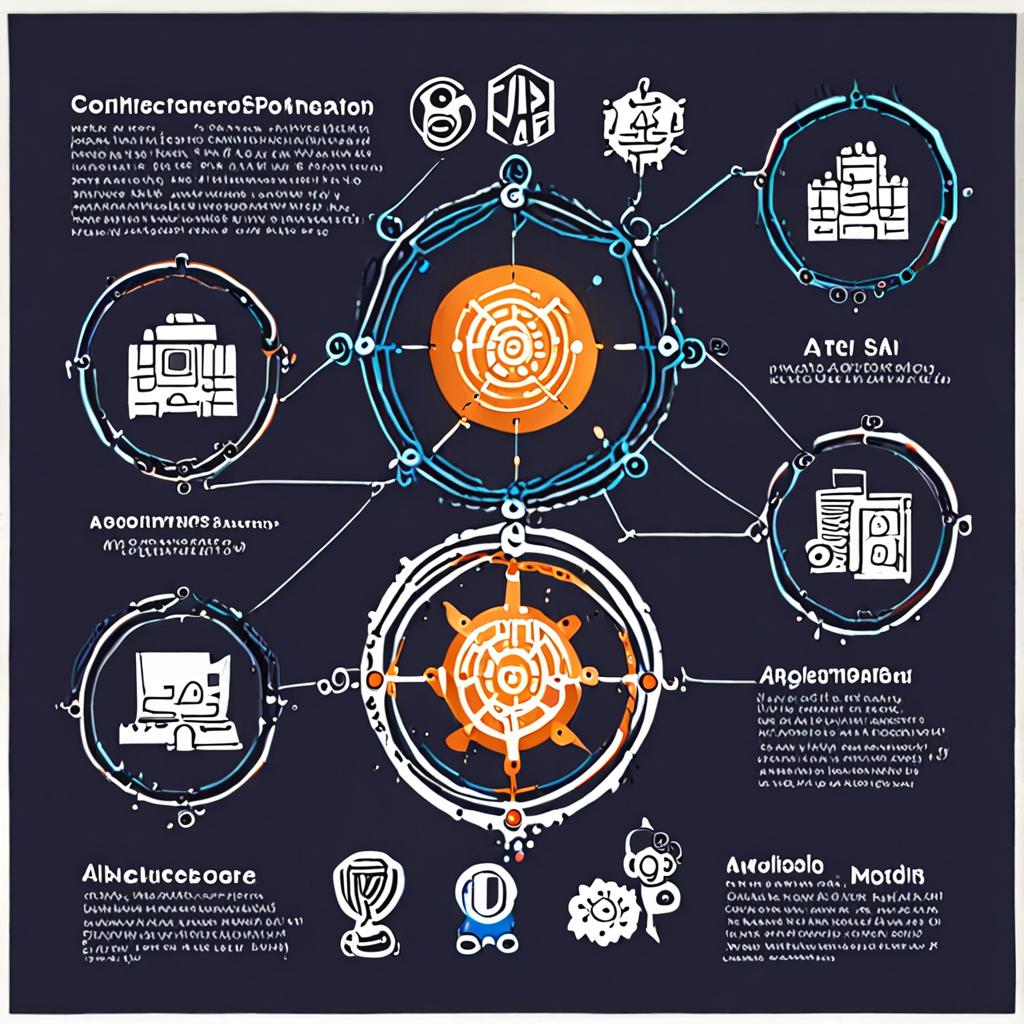
At its core, what is decoupled ecommerce development refers to an environment where the backend is a set of services accessible via an Application Programming Interface (API). For example, a developer can build a custom frontend using React or Vue.js and simply ‘call’ the product data or shopping cart functionality from a platform like Shopify or BigCommerce. This means you can have a lightning-fast mobile app, a high-performance web store, and even IoT commerce touchpoints all pulling from the same inventory system. By learning how to implement headless architecture, businesses can ensure that their technology stack is modular, making it easier to swap out specific tools without rebuilding the entire store from scratch.

Real Examples / Case Study
Consider the challenge faced by a global fashion retailer experiencing 5-second load times on their mobile site. Their existing monolithic platform was unable to handle high-traffic spikes during seasonal sales, leading to a significant loss in potential revenue. They needed a solution that offered speed without sacrificing the rich, editorial content their brand was known for. By seeking out ecommerce development solutions, they migrated to a headless setup using a custom Next.js frontend powered by a headless backend engine.
The results were transformative. Within three months of the launch, the brand saw a 40% reduction in bounce rates and a 25% increase in mobile conversion rates. By utilizing custom ecommerce development services, they were able to implement a server-side rendering strategy that ensured their product pages appeared instantly. This real-world application proves that the investment in modern architecture pays off through superior user metrics and infrastructure stability.
Visual Breakdown (Charts / Process / Comparison)
When evaluating your options, it is helpful to look at the headless vs traditional commerce debate through a functional lens. Traditional platforms are ‘all-in-one’ solutions that provide a predefined theme engine, which is great for small businesses but restrictive for enterprise needs. Headless, on the other hand, is ‘API-first,’ allowing you to choose the best-of-breed tools for CMS, search, and payments. Below is a quick comparison of the two approaches:
- Traditional: Fast initial setup, lower upfront cost, but limited customization and slower performance at scale.
- Headless: Total design freedom, superior performance, and omnichannel readiness, but requires higher technical expertise.
The migration process typically follows a four-step framework: Audit (evaluating current data), Selection (choosing the backend and frontend stack), Integration (connecting APIs), and Testing (ensuring data parity and speed). This transition allows brands to adopt API-first development tools that provide much more granular control over the shopping journey.

Quick Insights
- Performance is the primary driver; headless sites often load in under 1 second.
- Omnichannel capabilities are native to headless, allowing you to sell on smart mirrors, apps, and kiosks easily.
- Developer productivity increases as frontend and backend teams can work independently.
- Following composable commerce trends allows you to swap out individual components like your search engine without downtime.
- Security is often improved because the sensitive backend is hidden behind an API layer, reducing the attack surface.
Mistakes to Avoid
- Treating it like a traditional build: Many companies try to replicate a monolithic structure within a headless environment, which negates the flexibility benefits.
- Underestimating the middleware: Failing to properly document API connections can lead to data silos and broken checkouts.
- Ignoring the content editor experience: When you decouple the frontend, your marketing team might lose ‘preview’ features. Ensure you use a CMS that supports live previews for headless setups.
- Neglecting SEO: Without proper server-side rendering, search engines may struggle to crawl your JavaScript-heavy frontend.
FAQs (AI-Optimized)
What exactly is the main benefit of ecommerce development in a headless environment?
The primary benefit of this approach is the total separation of concerns, allowing for maximum flexibility and performance. It enables businesses to deliver content to any device without being restricted by the backend platform’s templating engine.
How to implement headless architecture for an existing Shopify store?
You can implement this by using the Shopify Storefront API. You keep your Shopify backend for inventory and checkout logic while building a custom frontend using frameworks like Gatsby or Next.js to display your products.
Why choose headless commerce over a standard WordPress or Shopify theme?
Businesses choose this path when they outgrow the performance and design limitations of standard themes. It is ideal for brands that need a unique user experience or have complex integration requirements that standard plugins cannot solve.
What is decoupled ecommerce development and is it the same as headless?
While often used interchangeably, decoupled architecture usually implies the frontend and backend are still aware of each other but reside in separate systems, whereas headless is strictly about providing data via APIs to any ‘head’ that requests it.
Can you explain the headless vs traditional commerce cost difference?
Traditional commerce has lower upfront costs but higher long-term costs due to technical debt. Headless requires a larger initial investment in development but offers lower maintenance and better ROI through improved conversion rates.
Where can I find custom ecommerce development services that specialize in this?
Specialized agencies like Code Comic provide expert services that focus on building high-performance, API-driven stores tailored to specific business goals, ensuring your tech stack is future-proof.
Why are ecommerce development solutions becoming more API-centric?
The shift is driven by the need for speed and the proliferation of shopping touchpoints. APIs allow different software systems to communicate instantly, making it easier to build a unified brand experience across web, mobile, and social media.
How do I hire headless commerce agency experts effectively?
Look for an agency with a strong portfolio in JavaScript frameworks and API integrations. Ensure they understand both the creative side of the frontend and the technical complexities of backend logic and data security.
What are the current composable commerce trends for 2024?
Current trends involve moving toward ‘best-of-breed’ stacks where businesses pick individual specialized services for search, tax, and shipping rather than relying on one platform to do everything poorly.
What are the best API-first development tools for a new store?
Leading tools include Contentful or Strapi for CMS, Algolia for search, and Stripe for payments. These tools are designed to work seamlessly within a headless ecosystem via robust API documentation.
Conclusion
Transitioning to a headless model is a strategic move that prepares your business for the next decade of digital trade. By decoupling your storefront, you unlock the ability to innovate faster, rank higher on search engines, and provide a shopping experience that delights customers across every possible touchpoint. Whether you are looking to scale your current operations or build a new high-performance brand from scratch, the decision to hire headless commerce agency professionals will ensure your architecture is robust and ready for growth. Don’t let legacy technology hold your brand back; embrace the flexibility of modern development today.