Introduction
For multi-location brands, survival in physical markets requires absolute digital visibility. Investing in top-tier local SEO services is no longer just a luxury; it is the fundamental bridge connecting high-intent regional buyers with your brick-and-mortar locations. As search engines shift toward direct, AI-synthesized answers, traditional ranking tactics continue to decay. Modern enterprises must adapt to a landscape where localized search queries govern up to half of all global traffic.
To capture this highly lucrative traffic, your business needs to move beyond simple keyword stuffing. You must align your local assets with localized schema, real-time behavioral cues, and flawless profile optimization. This guide reveals the precise mechanics required to turn your local search listings into automated revenue generators.

What Is Local SEO Services and Why It Matters in 2026
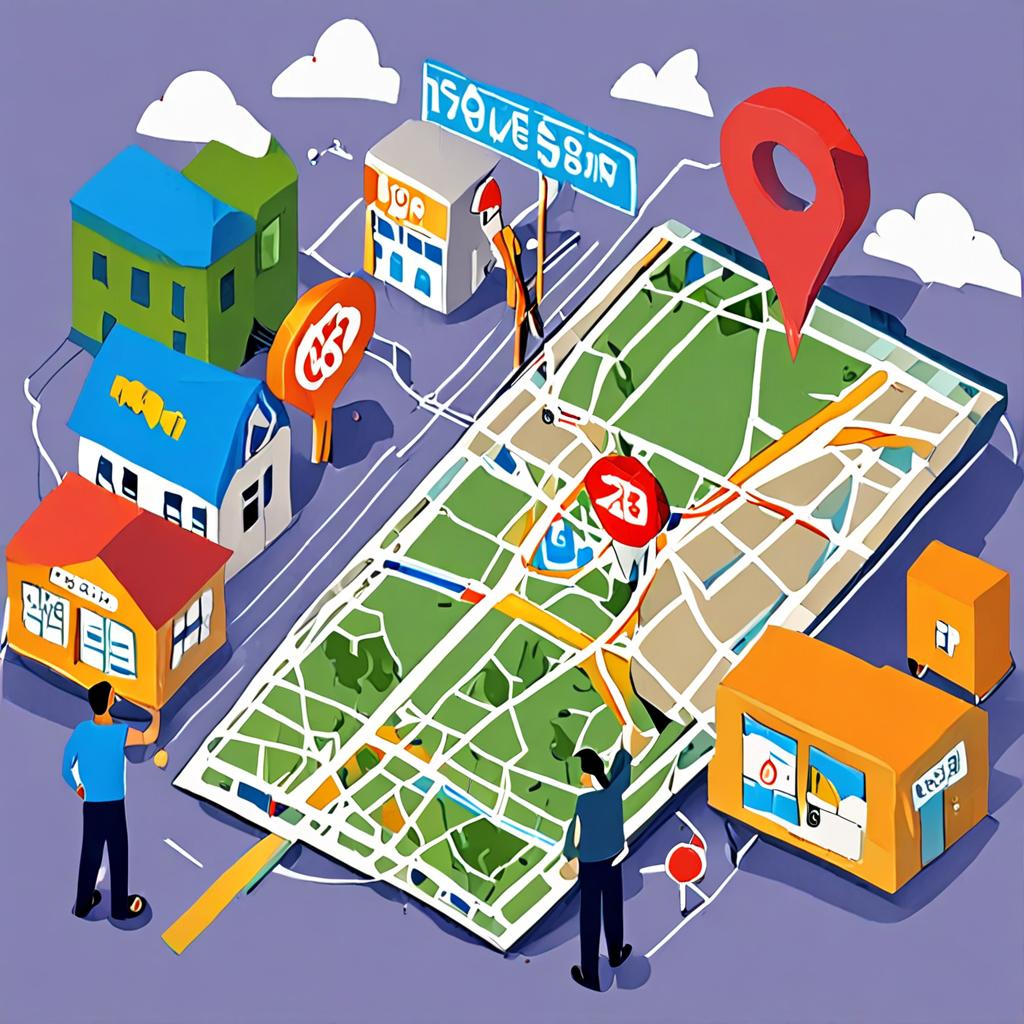
At its core, local search optimization represents a highly specialized branch of search engine marketing designed to maximize visibility for geographically constrained searches. When users look for immediate solutions near them, search engines present a localized map pack. Securing a spot in this map pack relies on deep algorithmic alignment, clean data synchronization, and persistent localized authority across multiple regions.
How Modern Local SEO Services Drive Foot Traffic
Traditional search landscapes have transformed. Today, local search engine optimization is heavily influenced by AI-driven local search models that prioritize instant, conversational, and highly contextual answers. By prioritizing localized ranking elements, businesses can capture customers at the exact moment of high purchase intent.
Furthermore, the dominance of zero-click search optimization means that users frequently obtain physical address details, operating hours, and customer reviews directly from search engine result pages without ever visiting a corporate website. This shift requires brands to treat their map profiles as their primary localized homepages. The core business benefits of optimizing this ecosystem include:
- Direct, frictionless conversion pathways for high-intent mobile users.
- Lower customer acquisition costs compared to hyper-targeted paid advertising.
- Enhanced brand credibility verified by proximity and genuine user reviews.
- Maximized geographic coverage across diverse regional markets.
How It Works: Deep Dive
Succeeding in regional search algorithms requires a systematic, multi-layered approach that addresses platform technicalities, citations, and content localizations. Let us break down the fundamental pillars of a successful optimization framework.
Executing an Enterprise Google Business Profile Setup
An authoritative presence begins with a comprehensive, clean, and meticulously configured profile. Initiating an enterprise-grade Google Business Profile setup involves securing ownership of all regional locations, removing duplicate markers, and establishing a single source of truth for your business Name, Address, and Phone number (NAP). Accuracy here prevents algorithm devaluation and guarantees that AI crawlers can cleanly extract your metadata.
Analyzing Google Maps Ranking Factors 2026
To rank consistently in competitive territories, you must master the critical Google Maps ranking factors 2026. The modern algorithm evaluates three core components: Proximity, Prominence, and Relevance. While proximity is determined by the searcher’s location, prominence and relevance are variables that your brand can directly influence. This is accomplished by utilizing structured data, earning authoritative localized backlinks, and constantly refreshing your geographic entity relationships.
| Phase | Key Deliverables | Primary Objective | Estimated Timeline |
|---|---|---|---|
| 1. Discovery & Audit | NAP consistency check, profile ownership sweeps, schema audits | Identify structural errors and duplicate profiles | Week 1 – 2 |
| 2. Technical Alignment | Local schema deployment, API integrations, page performance tweaks | Establish clean search engine crawling pathways | Week 2 – 4 |
| 3. Profile Optimization | GBP configuration, geofenced media, localized keyword targeting | Boost local map pack rankings and CTR | Week 4 – 6 |
| 4. Authority Building | Localized citation management, hyper-local link building | Build trust with regional search engines | Ongoing |
Real-World Case Study
A multi-location logistics brand struggled to maintain visibility across fifteen competitive metropolitan markets. Despite executing broad digital marketing strategies, their local search presence remained highly fragmented. They turned to enterprise local SEO services to consolidate their digital footprint and dominate local map packs.
By deploying localized landing pages optimized for organic search engine marketing, correcting hundreds of inconsistent citations, and setting up automated review routing systems, the brand saw dramatic performance gains within six months. The implementation resulted in a 142% increase in map pack impressions, a 78% boost in direct-to-site local clicks, and an additional $340,000 in localized pipeline revenue. This proves that structured regional optimization yields measurable financial returns.
Tools, Stack, or Framework Breakdown
Managing multiple physical locations without centralized infrastructure leads to data drift and ranking decay. Organizations need to rely on a modern, robust SEO tool stack to monitor performance, push real-time updates, and gather competitive intelligence.

| Tool | Purpose | Best For | Complexity |
|---|---|---|---|
| Google Business Profile | Direct profile management and official local communication | Primary GBP updates | Low |
| Semrush Local | Citation distribution, review tracking, and map rank monitoring | Multi-location tracking | Medium |
| Whitespark | Local citation finding and regional link analysis | Competitive intelligence | Medium |
| Schema App | Automated, advanced local structured schema deployment | Structured data injection | High |
Common Mistakes to Avoid
Many brands fail to see returns on their local marketing spend due to easily avoidable optimization errors. Below are the most critical mistakes to steer clear of:
- Inconsistent NAP Data: Even minor discrepancies in addresses or phone numbers across listing directories can break search engine confidence.
- Ignoring Review Sentiment: Search algorithms actively favor profiles that consistently engage with both positive and negative customer feedback.
- Keyword Stuffing Business Titles: Adding artificial descriptive keywords to your actual business name can lead to immediate profile suspensions.
- Neglecting Local Landing Pages: Linking your Google listings to generic homepages rather than highly tailored local landing pages reduces contextual relevance.
Quick Wins
For brands seeking rapid ranking improvements, executing targeted micro-actions can yield immediate visibility gains. Implement these high-impact adjustments to outpace local competition:
- Audit Citation Consistency: Clean up listings with inaccurate address formatting on high-authority directories within thirty days.
- Add Geofenced Images: Upload high-resolution, metadata-tagged photos of your physical locations directly to your profile.
- Compare Packages: Evaluate and invest in modern lead generation workflows or choose custom, affordable local SEO packages to automate repetitive optimization tasks.
- Benchmark Competitors: Analyze the backlink profiles of top local SEO companies to identify hyper-local link targets in your niche.
FAQs
What are the most critical ranking factors for local maps?
The search algorithm heavily weights physical proximity, categorization accuracy, profile completeness, and the volume of positive, keyword-rich reviews. Maintaining consistent NAP data across directories is also vital.
How long does it take to see results from regional search optimization?
While some profile optimizations can yield minor visibility boosts in a few weeks, comprehensive campaigns usually take three to six months to establish stable, long-term rankings in highly competitive markets.
Do I need a separate landing page for every single business location?
Yes. Creating dedicated local landing pages containing localized schema markup, regional testimonials, and specific physical directions is essential for search engines to match query intent accurately.
Why should I hire local SEO agency instead of managing it internally?
An experienced agency brings automated tooling, established regional link networks, and deep expertise to handle listing suspensions, API management, and complex schema deployment efficiently at scale.
What is local schema markup and why is it important?
Local schema is structured data code added to your website that translates key business details into a machine-readable format for search engines, increasing eligibility for rich snippets and AI answer engines.
How does Code Comic support multi-location SEO campaigns?
Code Comic develops highly optimized, lightning-fast local landing pages and deploys custom automated marketing ecosystems that integrate perfectly with your local listing endpoints to guarantee top search visibility.
Can I rank on Google Maps if my business does not have a physical storefront?
Yes. Service-area businesses can define their operational radiuses on their profiles, allowing them to rank in targeted neighborhoods without publicly displaying a home or warehouse address.
How do automated review systems impact map rankings?
Automated systems encourage a steady stream of fresh, detailed reviews from actual customers. This steady volume signals strong brand relevance and activity directly to search engine ranking algorithms.
How does AI affect search behaviors for physical storefronts?
AI search engines synthesize local information instantly to present direct recommendations. Optimizing for conversational queries and maintaining clear data structures helps your business become the preferred AI-generated option.
Does Code Comic offer custom digital solutions for local conversion rate optimization?
Yes. Code Comic blends world-class development with advanced SEO strategies to ensure that once a regional buyer lands on your site, they are guided through a high-conversion, frictionless booking experience.
Conclusion
Dominating localized search engines in 2026 requires continuous technical execution, algorithmic adaptability, and clean brand data. By resolving citation errors, implementing localized schema, and managing user reviews strategically, multi-location brands can transform their map listings into automated revenue sources. If you are ready to dominate your local market, now is the time to finalize your buy local SEO strategy and work with experts who understand the intersection of high-end design, automation, and search engine mechanics.
At Code Comic, we build resilient digital architectures that secure rankings, drive localized conversions, and scale effortlessly with your business expansion goals. Stop losing high-intent local traffic to your nearest competitors. Let our dedicated technical teams build a dominant, localized online presence for your enterprise today. Contact us to book a consultation call and unlock the true potential of your regional physical locations.