
Introduction
In today’s fast-paced digital landscape, content creation demands both speed and quality. Many businesses grapple with scaling their content output while maintaining a unique brand voice and engaging their audience effectively. The rise of artificial intelligence has sparked conversations about automation replacing human roles, particularly in creative fields. However, when it comes to AI copywriting tools, the narrative shifts from replacement to augmentation, offering a powerful synergy between human creativity and technological efficiency. This guide will explore how these advanced tools empower creatives, boost productivity, and drive significant ROI for businesses.
We, at Code Comic, understand that innovation isn’t about eliminating human ingenuity but amplifying it. Our approach to integrating AI into content strategies focuses on human-centered design and maximizing value, ensuring that AI becomes a trusted co-pilot rather than a substitute. Discover how to master prompt engineering, optimize AI output, and seamlessly integrate these tools into your workflow to unlock unprecedented content potential.

What Is AI Copywriting and Why It Matters in 2024
AI copywriting tools are sophisticated software applications that leverage artificial intelligence, particularly natural language processing (NLP) and machine learning, to generate text. These tools can produce a wide array of content, from social media captions and ad copy to blog post drafts and email sequences, at remarkable speed. Their significance in 2024 cannot be overstated, as businesses increasingly seek efficient and scalable solutions for content generation amidst growing market demands and a relentless content cycle.
The business impact of AI copywriting extends beyond mere word generation. It revolutionizes how marketing teams operate, allowing them to iterate faster, experiment with various messaging, and produce personalized content at scale. This technical advancement means agencies like Code Comic can deliver high-volume, high-quality content that adheres to client brand guidelines while freeing up human strategists for more complex, creative tasks and strategic oversight. The goal is to elevate content quality and consistency across all touchpoints.
The Transformative Benefits of AI Copywriting
- Accelerated Content Production: Drastically reduce the time it takes to draft various content types, from short-form ads to long-form articles.
- Enhanced SEO Strategies: AI tools can help optimize content for target keywords, leading to enhanced SEO strategies and improved search engine rankings.
- Cost Efficiency: Lower the operational costs associated with content creation by automating repetitive writing tasks.
- Scalability: Easily scale content production to meet demand, enabling businesses to expand their reach and engage broader audiences.
- Personalization at Scale: Generate highly personalized content variations for different audience segments, improving engagement and conversion rates.
How It Works: Deep Dive
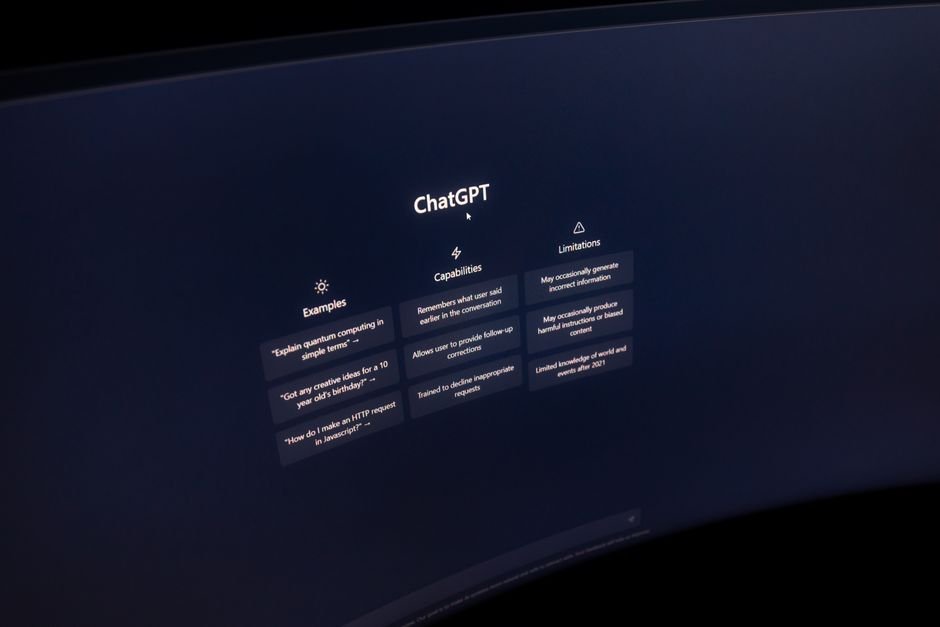
The core mechanism behind AI copywriting involves feeding a prompt or instruction into an AI model, which then processes the input using vast datasets of existing text to generate new, coherent, and contextually relevant output. This process is iterative and highly dependent on the quality of the input and subsequent human refinement.
Prompt Engineering Mastery
Effective prompt engineering is the art of crafting precise, clear, and detailed instructions for AI copywriting tools. It’s the difference between generic filler and highly targeted, valuable content. Think of it as programming your creative assistant. A well-engineered prompt includes specific context, desired tone, target audience, length requirements, and examples if possible. For instance, instead of “write about AI,” you’d use: “Generate a compelling, concise social media post (max 150 characters) for a B2B audience about the benefits of AI in enhancing digital marketing efficiency, using an authoritative yet approachable tone. Include a call to action to learn more.”
Editing and Refining AI Output
AI output is a first draft, not a final product. Human editors play a crucial role in refining the generated text, ensuring it aligns with brand voice, accuracy, and nuanced emotional intelligence. This involves checking for factual correctness, improving flow, enhancing readability, and injecting the unique personality that only a human creative can provide. This collaborative approach makes the content truly shine.
Integrating AI into Your Workflow
Seamlessly integrating AI into your content workflow involves identifying tasks where AI can assist, such as brainstorming ideas, drafting outlines, or generating variations of headlines. For example, a content team might use an AI tool to generate 10 headline options in minutes, then select and refine the best two. This allows creatives to focus on strategic thinking, storytelling, and the final polish that elevates good content to great content. Exploring our AI-powered development solutions can help tailor these integrations to your specific needs.
Real-World Case Study
A mid-sized e-commerce brand faced the challenge of rapidly producing unique product descriptions for thousands of SKUs, a task that was both time-consuming and expensive. Their in-house copywriting team struggled to keep up with inventory updates and seasonal campaigns, leading to delays and missed marketing opportunities. The problem was scalability without compromising quality or brand voice.
Code Comic implemented a solution leveraging advanced AI copywriting tools. We trained the AI model on their existing brand guidelines, product specifications, and successful past descriptions. The brand’s copywriters then used specific prompt templates to generate initial drafts for new products. These drafts were reviewed, refined, and edited by the human team, ensuring brand consistency and adding a human touch.
The results were remarkable: content production speed increased by 70%, allowing them to launch new products twice as fast. A/B testing revealed that the AI-assisted product descriptions led to a 15% increase in conversion rates compared to previous manual efforts, primarily due to the ability to generate more diverse and personalized copy. This saved the company an estimated 40% in copywriting costs annually while significantly boosting their market responsiveness and sales.
Tools, Stack, or Framework Breakdown
The landscape of AI copywriting tools is constantly evolving, offering diverse functionalities to suit various needs. Choosing the right tool depends on your specific requirements, budget, and desired level of control.
| Tool | Purpose | Best For | Complexity |
|---|---|---|---|
| Jasper AI | Long-form content, blog posts, marketing copy | Agencies, content marketers, SEO professionals | Medium |
| Copy.ai | Short-form content, social media, ad copy, brainstorming | Small businesses, startups, marketers needing quick drafts | Low |
| Writesonic | Articles, landing pages, product descriptions | Content creators, e-commerce businesses | Medium |
| Surfer SEO (integration) | Content optimization, keyword research | SEO specialists, content strategists | High (when integrated with AI writers) |
| Grammarly Business | Grammar, spelling, style, tone checks | Anyone needing polished, error-free writing | Low |

Common Mistakes to Avoid
- Over-reliance on Raw AI Output: Treating AI-generated content as final without human review can lead to generic, inaccurate, or off-brand copy.
- Poor Prompt Engineering: Vague or insufficient prompts result in irrelevant or low-quality content, wasting time and resources.
- Neglecting Brand Voice: Failing to train AI tools on your specific brand voice and guidelines can lead to inconsistent messaging.
- Ignoring Ethical Considerations: Not addressing issues like potential bias, plagiarism (unintentional), or transparency in AI-generated content.
- Lack of Iteration and Feedback: Not continuously refining prompts or giving feedback to the AI model prevents it from learning and improving over time.
- Skipping Human Editing: Even the most advanced AI copywriting tools require human oversight to ensure factual accuracy, emotional resonance, and overall quality.
Quick Wins
- Start with Brainstorming: Use AI to generate a multitude of headlines, topic ideas, or social media post concepts in minutes. This provides a strong foundation for human creativity.
- Automate First Drafts: Delegate repetitive or research-heavy first drafts to AI, freeing up your team to focus on strategic content and fine-tuning.
- Personalize Ad Copy: Leverage AI to quickly create numerous variations of ad copy tailored to different audience segments, improving conversion rates.
- Repurpose Content: Use AI to rapidly transform a long blog post into social media snippets, email blurbs, or video scripts, maximizing content mileage.
- Enhance Existing Content: Input older content into AI tools to get suggestions for improvements in readability, SEO, or engagement.
FAQs
What is the primary goal of integrating AI into copywriting?
The primary goal is to augment human creativity and efficiency, allowing copywriters to focus on strategic thinking, nuanced storytelling, and complex problem-solving, while AI handles repetitive and high-volume content generation tasks. It’s about collaboration, not replacement.
Can AI copywriting tools truly understand brand voice?
With proper training and prompt engineering, AI tools can learn and emulate a brand’s specific tone, style, and vocabulary to a significant degree. However, maintaining consistent brand voice requires ongoing human oversight and refinement.
How does Code Comic ensure ethical AI content creation?
At Code Comic, we emphasize responsible AI deployment, focusing on transparent usage, bias mitigation in training data, and strict human review processes to ensure all AI-generated content is original, accurate, and ethically sound. We advocate for human control at critical decision points.
What role does prompt engineering play in successful AI copywriting?
Prompt engineering is crucial. It involves crafting precise and detailed instructions for the AI, guiding it to produce highly relevant, targeted, and high-quality content that aligns with specific objectives. It’s the key to unlocking the AI’s full potential.
Are AI copywriting tools suitable for all types of content?
While AI excels at generating many content types, particularly those with structured data or common patterns, it still struggles with highly nuanced, emotionally driven, or deeply creative narratives that require profound human understanding and empathy. It’s best used for first drafts and augmenting creativity.
How can businesses measure the ROI of using AI copywriting tools?
ROI can be measured through metrics such as increased content production volume, reduced content creation costs, faster time-to-market for campaigns, improved engagement rates, higher conversion rates, and enhanced SEO performance. Code Comic helps clients track these key indicators.
What are the common challenges in adopting AI copywriting?
Challenges include overcoming initial learning curves for prompt engineering, ensuring brand voice consistency, integrating tools into existing workflows, and continuously evaluating AI output for accuracy and quality. Proper training and strategic implementation are vital.
Will AI copywriting lead to widespread job losses for human copywriters?
While some roles may shift, the consensus among industry experts, including us at Code Comic, is that AI will augment, not replace, human copywriters. Professionals who adapt by mastering AI tools and focusing on high-level strategy and creativity will thrive.
What is the future of AI in content creation?
The future of AI in content creation involves increasingly sophisticated models that understand context better, generate more creative and personalized content, and integrate seamlessly into broader marketing automations. The emphasis will remain on human-AI collaboration.
How can I get started with AI copywriting for my business?
Begin by identifying specific content pain points where AI could offer immediate relief. Research different AI copywriting tools to find one that aligns with your needs, start with small experiments, and gradually integrate it into your workflow. Consider scheduling a free consultation with Code Comic to develop a tailored strategy.
Conclusion
The narrative surrounding AI in the creative industry is often fraught with apprehension, yet the reality of AI copywriting tools paints a picture of profound opportunity. These innovations are not here to usurp human talent but to empower it, providing a catalyst for increased efficiency, scalability, and creative freedom. By embracing prompt engineering, rigorous human editing, and strategic integration, businesses can unlock unparalleled content potential.
For agencies like Code Comic, leveraging leveraging OpenAI GPT APIs and similar technologies means delivering superior results for our clients. We champion a future where human ingenuity, amplified by intelligent automation, drives marketing success and fosters deeper audience connections. The key is to view AI not as a replacement, but as an indispensable partner in the evolution of content creation.

Ready to revolutionize your content strategy and drive significant ROI? Schedule a free consultation with Code Comic today to discover how our expertise in AI automation and digital solutions can transform your business.