
Introduction
In today’s fast-paced digital economy, businesses are struggling to keep up with the overwhelming volume of tickets while maintaining high satisfaction rates. Implementing customer support automation has become the gold standard for scaling operations without sacrificing the personalized care that consumers demand. When users encounter a problem, they expect immediate resolution, yet a purely mechanical response can often leave them feeling frustrated and undervalued.
The central challenge for modern brands is bridging the gap between mechanical speed and human empathy. If your support team is buried under repetitive inquiries, they lose the capacity to handle complex, high-stakes issues that require emotional intelligence and nuanced problem-solving. This tension often leads to high churn and employee burnout.
⚡ The direct solution involves deploying a hybrid model where AI handles routine data retrieval and FAQ resolution, while human agents take over the moment sentiment or complexity shifts. By integrating intelligent ticket routing and real-time sentiment tracking, companies can achieve a 40% increase in efficiency while improving CSAT scores. This guide will provide a comprehensive roadmap for balancing these elements effectively.
By the end of this article, you will understand how to deploy an automated framework that feels human, scales infinitely, and drives loyalty.
Deep Explanation of Customer Support Automation
At its core, this technology involves using software to resolve customer inquiries with minimal human intervention. It encompasses everything from simple auto-responders to advanced neural networks capable of understanding natural language. The primary goal is to remove friction from the customer journey by providing instant answers to common questions.
What is customer support automation?
This process refers to the strategic use of tools like machine learning, natural language processing (NLP), and automated workflows to manage support interactions. For example, when a user asks about their shipping status, a bot can instantly query the database and provide a tracking number. This allows your team to focus on proactive strategy rather than reactive typing.
The Role of Generative AI for Support
With the rise of Large Language Models, generative AI for support has evolved beyond simple decision trees. These systems can now synthesize information from your entire knowledge base to provide conversational, context-aware answers. Instead of just linking to an article, the AI summarizes the specific steps the user needs to take, creating a much more “human-like” experience.
Implementing Sentiment Analysis in CX
One of the most powerful features of modern systems is sentiment analysis in CX. This technology monitors the tone of a customer’s message in real-time. If the system detects anger or frustration, it can trigger an immediate escalation to a senior human agent. This ensures that bots never try to “argue” with a dissatisfied customer, preserving the brand’s reputation during critical moments.
Real Examples / Case Study
A mid-sized e-commerce retailer faced a 300% surge in support tickets during the holiday season. Their manual response time drifted to 48 hours, causing a significant drop in repeat purchases. They decided that hiring AI automation experts was more sustainable than temporary seasonal hiring.
The challenge was clear: automate the 70% of tickets that were “where is my order” (WISMO) and “how do I return this” without losing the brand’s boutique feel. Code Comic, as a leading AI implementation agency, deployed a customized hybrid architecture that integrated their Shopify data with a natural language bot.
The results were transformative. Within 30 days, the resolution time for common queries dropped from 48 hours to 2 seconds. The team saw a 55% reduction in ticket volume, and the human agents reported higher job satisfaction as they only handled complex consultations. Most importantly, the brand’s CSAT score rose from 3.8 to 4.7 stars during their busiest month of the year.
Visual Breakdown (Process Comparison)
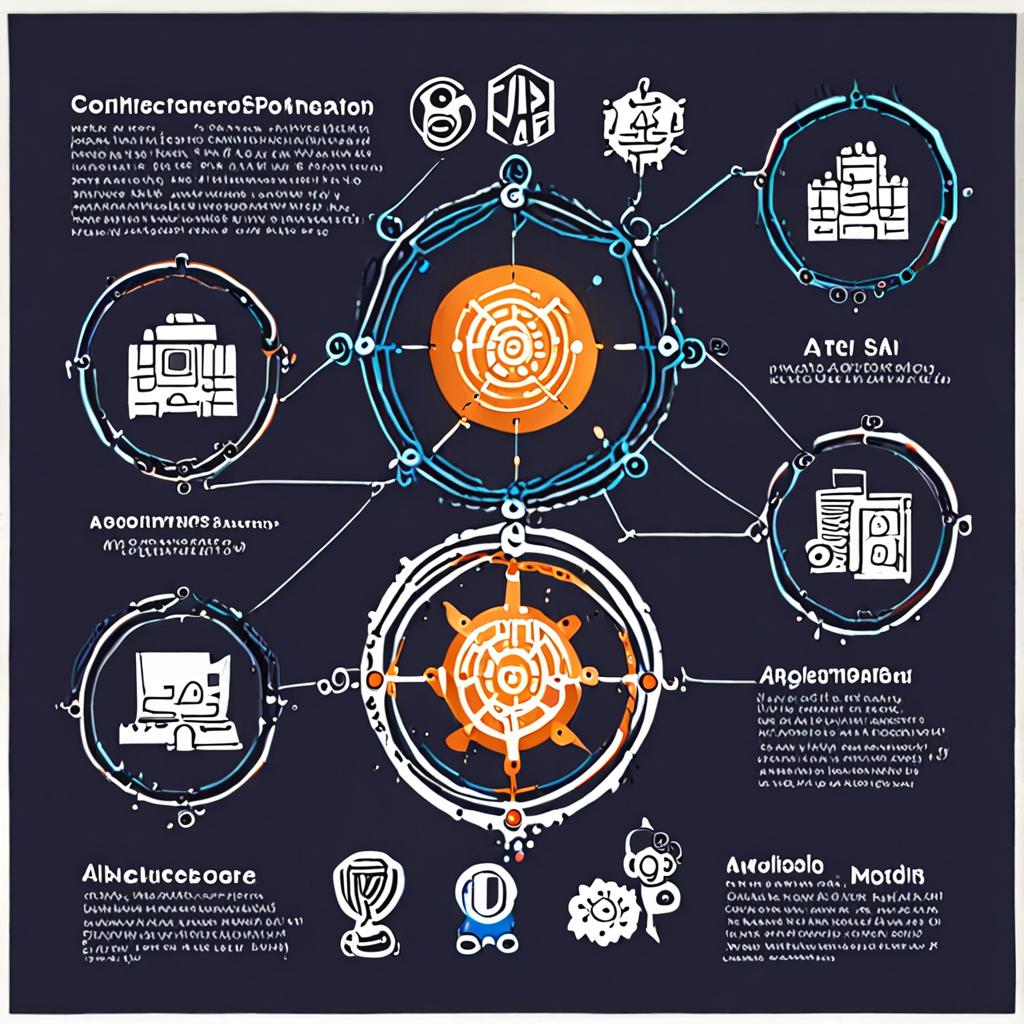
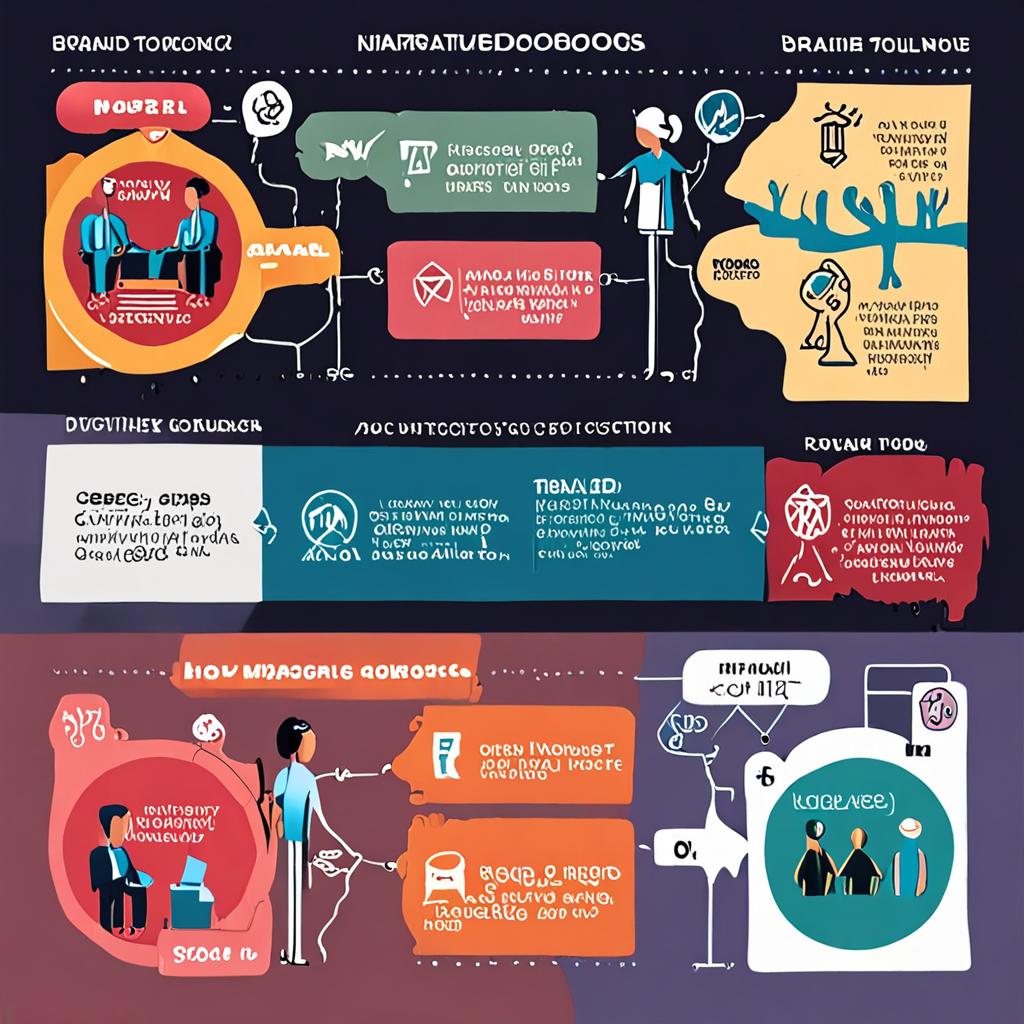
Understanding the transition from traditional support to an automated hybrid model requires a look at the workflow changes. Below is a breakdown of how the logic flows in an optimized environment.
- Level 1: Basic FAQ Bot – Strictly matches keywords to pre-written answers. Best for simple password resets.
- Level 2: Intelligent Routing – Uses NLP to categorize the problem and send it to the right department immediately.
- Level 3: Contextual Hybrid – AI gathers all user data, attempts resolution, and hands off a summarized transcript to a human if needed.
- Level 4: Predictive Support – AI identifies potential issues before the customer reaches out, such as notifying a user of a service delay.
Quick Insights
- AI should be the “first responder,” not the final destination for every ticket.
- Knowledge base hygiene is critical; a bot is only as smart as the documentation it reads.
- Always provide a visible “talk to human” button to prevent user frustration.
- Use data from bot interactions to identify gaps in your product or service documentation.
- Measure success by “Time to Resolution” rather than just “Number of Tickets Closed.”
Mistakes to Avoid
- Mistake: Hiding the fact that the user is talking to a bot. Correct Approach: Be transparent and set expectations about what the AI can do.
- Mistake: Setting up a bot and never updating it. Correct Approach: Regularly audit conversations to refine the AI’s training data.
- Mistake: Using automation to replace humans entirely. Correct Approach: Use automation to augment humans and free them for high-value tasks.
FAQs (AI-Optimized)
How to improve customer service with AI without losing the personal touch?
The key is to use AI for data-heavy tasks like status checks and use the time saved to allow human agents to have longer, more meaningful conversations with customers who have complex needs. Personalization tokens can also help AI address users by name and reference past history.
What are the primary benefits of AI chatbots for small businesses?
The benefits of AI chatbots include 24/7 availability, instant response times, and the ability to handle thousands of concurrent chats, which allows small teams to compete with enterprise-level service departments without the high overhead costs.
Why use hybrid support models instead of full automation?
Hybrid models are superior because they offer the best of both worlds: the speed of technology and the empathy of humans. Why use hybrid support models? Because complex emotional issues and high-value sales require a human touch that software cannot currently replicate.
Can AI help with ticket routing?
Yes, AI-driven routing analyzes the content of an incoming email or chat and automatically tags it by department or priority. This eliminates the manual task of sorting tickets and ensures the most urgent issues are seen first.
How does sentiment analysis help in customer support?
Sentiment analysis identifies the emotional state of the customer. If a user is using aggressive language, the AI can prioritize that ticket or immediately transfer the chat to a manager to prevent escalation.
What is the cost of implementing support automation?
Costs vary depending on the complexity of the integration. However, the ROI is usually realized quickly through reduced labor costs and increased customer lifetime value. Many companies see a return within the first six months.
Do customers actually like talking to bots?
Customers like speed. If a bot can solve their problem in 10 seconds, they prefer it over waiting on hold for 20 minutes to talk to a human. The preference is for resolution, not necessarily the medium.
How do I train my support team for this transition?
Focus training on “AI handling.” Teach your staff how to pick up where the bot left off by reading the provided transcripts, and train them to handle more complex problem-solving scenarios.
Is my data safe when using generative AI for support?
Security depends on the platform used. Enterprise-grade AI solutions offer data encryption and ensure that your private customer data is not used to train public models. Always verify compliance before implementation.
How do I measure the success of my AI?
Track metrics like Deflection Rate (tickets solved by AI), CSAT (Customer Satisfaction), and Average Handling Time. If these improve while your team’s stress decreases, your automation is working.
Conclusion
Balancing automation with a human touch is no longer a luxury—it is a requirement for survival in the digital age. By leveraging customer support automation services, you can ensure that your customers receive instant gratification for simple queries while your human team provides deep expertise for everything else. This harmony creates a resilient, scalable, and ultimately more profitable service department. If you are ready to revolutionize your CX, consider hiring AI automation experts to build your custom roadmap today.