Introduction
enterprise AI solutions enable large organizations to modernize legacy systems without business disruption. This guide helps IT leaders assess readiness, map integration strategies, manage change, and calculate ROI for pragmatic, low-risk deployments.
Deep Explanation of enterprise AI solutions
How enterprise AI solutions integrate with legacy systems
Start with a candid assessment: inventory applications, data flows, authentication methods, and SLAs. Identify brittle points—monolithic databases, unsupported middleware, and undocumented interfaces. Prioritize use cases where AI provides clear value with minimal touch to core processing: predictive maintenance, intelligent data mapping, enhanced customer scoring, and automated anomaly detection.
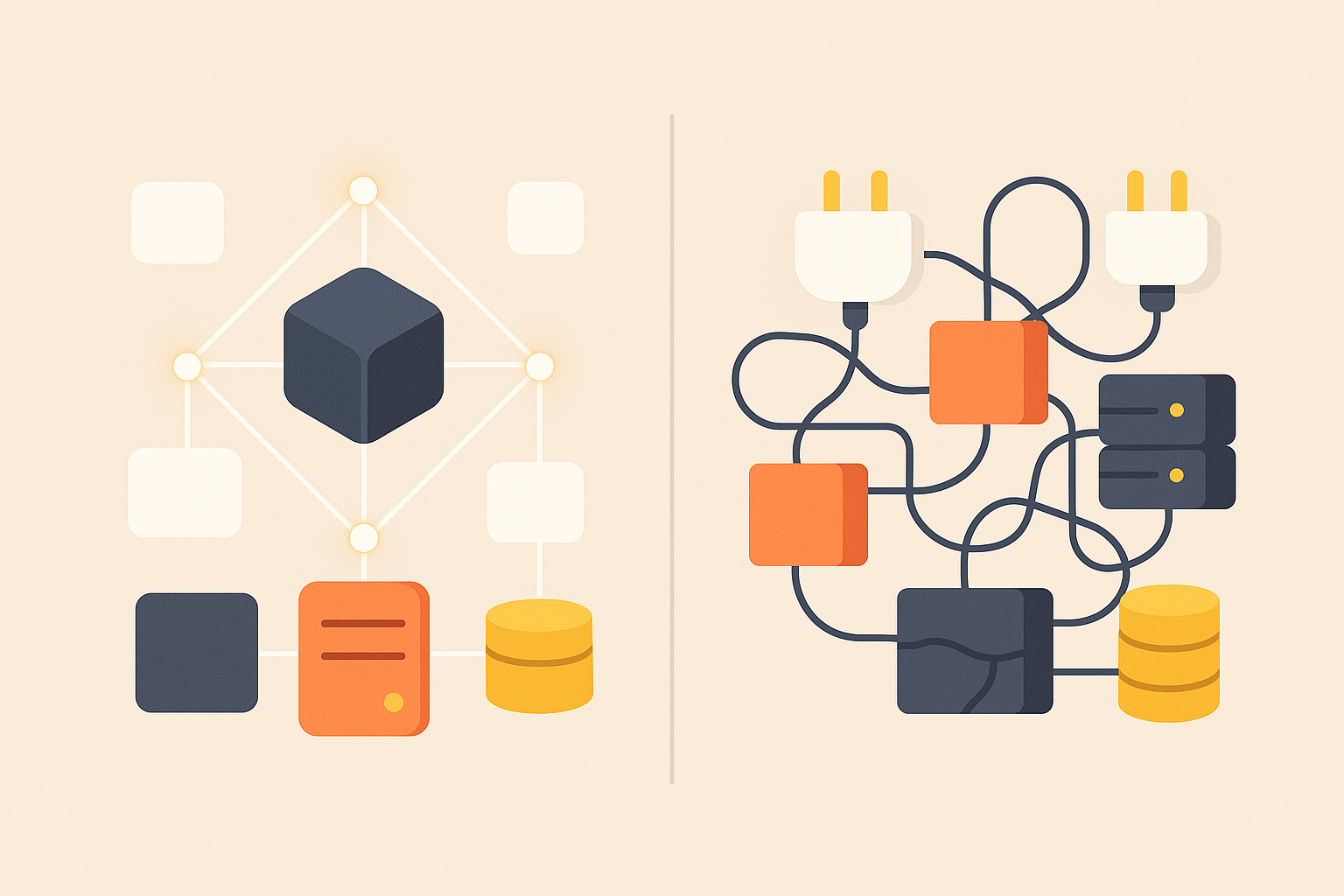
Integration patterns that minimize disruption include API facades, event-driven middleware, and augmentation layers that read and write non-invasively. Use containerized microservices for AI inference, with gateways translating between new services and legacy endpoints. This lets teams deploy models and iterate without rewriting core systems.
Real Examples / Case Study
Example: A multinational manufacturer transformed its aging ERP by adding an AI-driven demand forecasting service. They implemented a middleware layer that exposed normalized APIs and a staging database for model inputs. The AI service consumed sanitized ERP exports, returned forecast adjustments through the middleware, and recommended order changes—human-in-the-loop for the first 6 months. Result: 12% inventory reduction and 8% fewer stockouts with zero ERP downtime during rollout.
Another case: A financial services firm introduced an AI-powered reconciliation engine that sat alongside legacy batch processes. Using a phased deployment and a shadow-mode validation period, they proved accuracy and compliance before switching write paths—mitigating operational risk and meeting auditability requirements.
Visual Breakdown

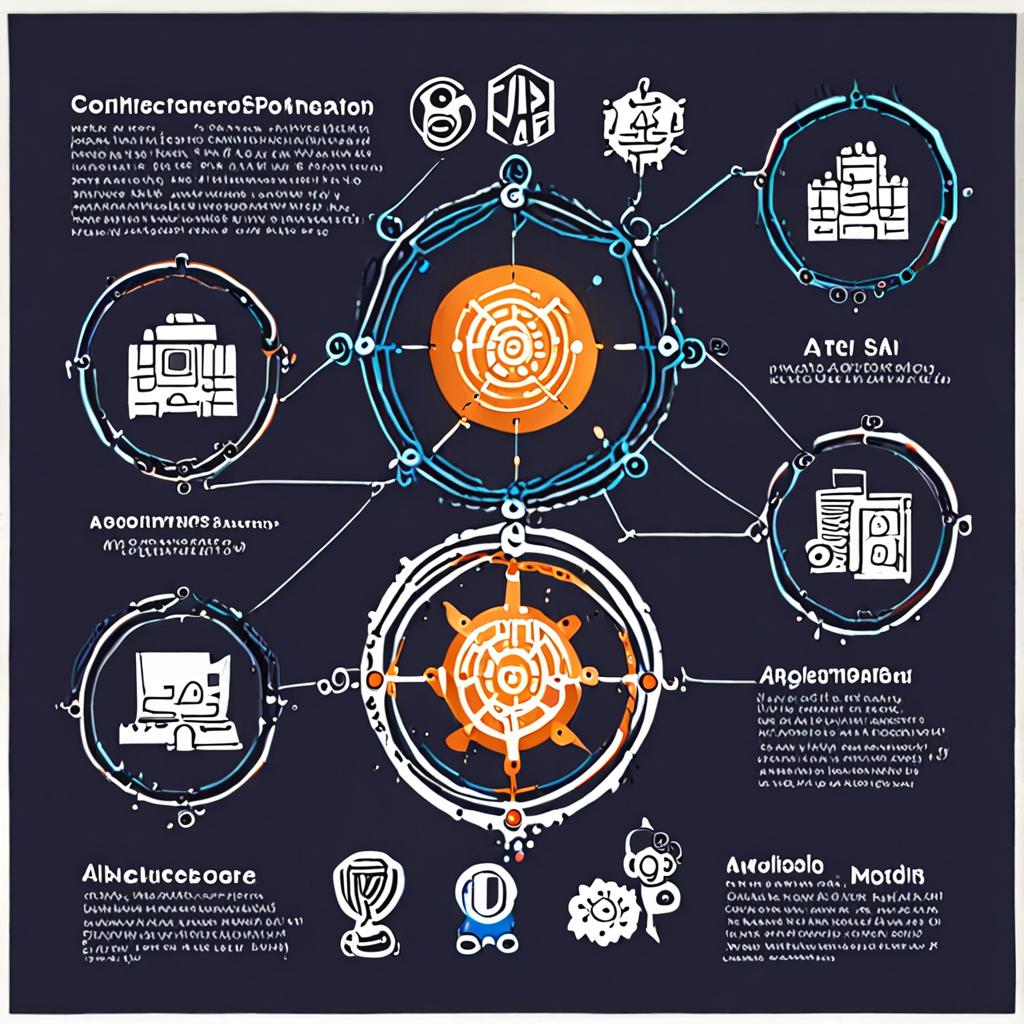
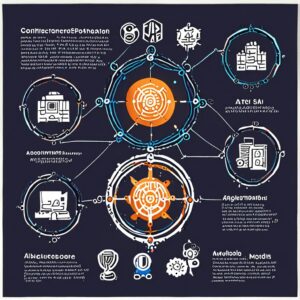
Key components in a practical architecture:
- Data ingestion: secure connectors and ETL to prepare model-ready datasets.
- Model layer: containerized inference services with version control.
- Integration layer: API gateway, message bus, and adapter patterns to legacy endpoints.
- Human review: dashboards and approval workflows to keep teams in control.
- Governance: access controls, lineage tracking, and audit logs.
Quick Insights
Use these concise prompts during planning:
- enterprise AI adoption should be measured in business KPIs, not model accuracy alone.
- enterprise AI integration favors adapters and APIs over rip-and-replace.
- enterprise AI assessment includes tech debt scoring and data quality audits.
- enterprise AI readiness checks must include staffing, tooling, and compliance posture.
- enterprise AI pricing models often mix SaaS inference fees with implementation and support.
- enterprise AI ROI calculations must account for reduced cycle time and error reduction.
- enterprise AI vendor costs should be compared against total cost of change and internal TCO.
- enterprise AI automation yields the best returns when paired with process redesign.
- enterprise AI cloud approaches simplify scaling but require stringent data governance.
URL slug example: /enterprise-ai-solutions-modernizing-legacy
SEO Optimization Services can help translate technical benefits into board-level narratives. For implementation assistance, consider tailored service partners and internal center-of-excellence teams.
Mistakes to Avoid
Avoid these common pitfalls:
- Rushing to replace legacy systems instead of augmenting them with AI layers.
- Skipping shadow-mode validation and human-in-the-loop phases.
- Ignoring data governance—poor lineage and permissions derail projects fast.
- Choosing vendors based only on demos rather than demonstrable production results.
- Underestimating change management; frontline teams must see value quickly.
FAQs
What is the first step to evaluate legacy systems for AI?
Perform an inventory and readiness assessment focusing on data quality, integration points, and operational SLAs—map quick-win use cases first.
Can AI be added without changing core ERP/CRM code?
Yes—use API facades, middleware, or read-only ingestion plus advisory write-back paths to avoid code changes initially.
How do you secure data when integrating AI?
Apply encryption-in-transit and at-rest, strict role-based access, tokenized APIs, and continuous monitoring for anomalous access patterns.
What governance is required for enterprise deployments?
Implement model versioning, explainability checks, audit logs, data lineage, and compliance review boards for regulated workflows.
How should vendors be evaluated?
Assess production references, data handling practices, SLAs, integration toolkits, and willingness to run pilots or POCs with measurable KPIs.
What is a safe phased implementation approach?
Phase 1: discovery and pilot. Phase 2: shadow mode with human review. Phase 3: limited write-back. Phase 4: scaled rollout and automation.
How to build an ROI framework?
Calculate baseline costs, estimate reductions in manual effort, error rates, and downtime; model subscription and implementation costs to derive payback period.
How long do pilots typically run?
Pilots and shadow periods usually run 3–6 months to validate data fidelity, model stability, and business impact.
What risk mitigations are effective?
Use shadow deployments, circuit breakers, rollback plans, exhaustive testing, and incremental rollouts to minimize operational risk.
How important is change management?
Critical—invest in training, clear KPIs, and early wins so teams adopt augmented workflows rather than resist them.
Conclusion
Modernizing legacy systems with enterprise AI solutions is achievable without disruption when you: assess readiness, pick non-invasive integration patterns, prioritize governance, select vendors carefully, and deploy in phased stages. Use ROI frameworks and risk mitigation plans to align stakeholders and secure funding. With clear governance and incremental implementation, AI can unlock operational efficiency while preserving system stability.
For a practical jumpstart, map three pilot use cases, define success metrics, and engage a partner for a 90-day proof of value.
Technical SEO for AI | Enterprise Advisory | Governance Playbooks